This month I set intentions for the year; making time for craft, ritual and learning. With a new year comes questions of resolution and “what’s next? what’s the goal?”, but this year, instead of looking forward too quickly, I want to change the narrative instead to:
• What’s been absorbed?
• What’s been learned?
• What’s starting to take shape?
Winter feels especially suited to this way of thinking. It’s a season of quiet work — slower, more internal, less visible. Over the last month, things have moved at a gentler pace than usual. Less rushing. More attention. Time spent noticing the changes in weather and light, leaning into the pause of the festive season, and allowing processes to take longer than planned.
January, in particular, will be about testing and listening. Paying attention to materials, to ideas, to what feels necessary and what doesn’t. Letting curiosity lead rather than deadlines. Allowing space for things to form without forcing them into clarity too soon.
All of this has been gently shaping what Fölkel is becoming.
Less about more.
More about intention, care, and how these objects live alongside everyday life.
Moving forward, I want Folkel to feel even more grounded and considered.
A little quieter.
More connected to ritual, to rest and allowing things to unfold in their own time, and to the belief that meaningful things unfold best in their own time.
-
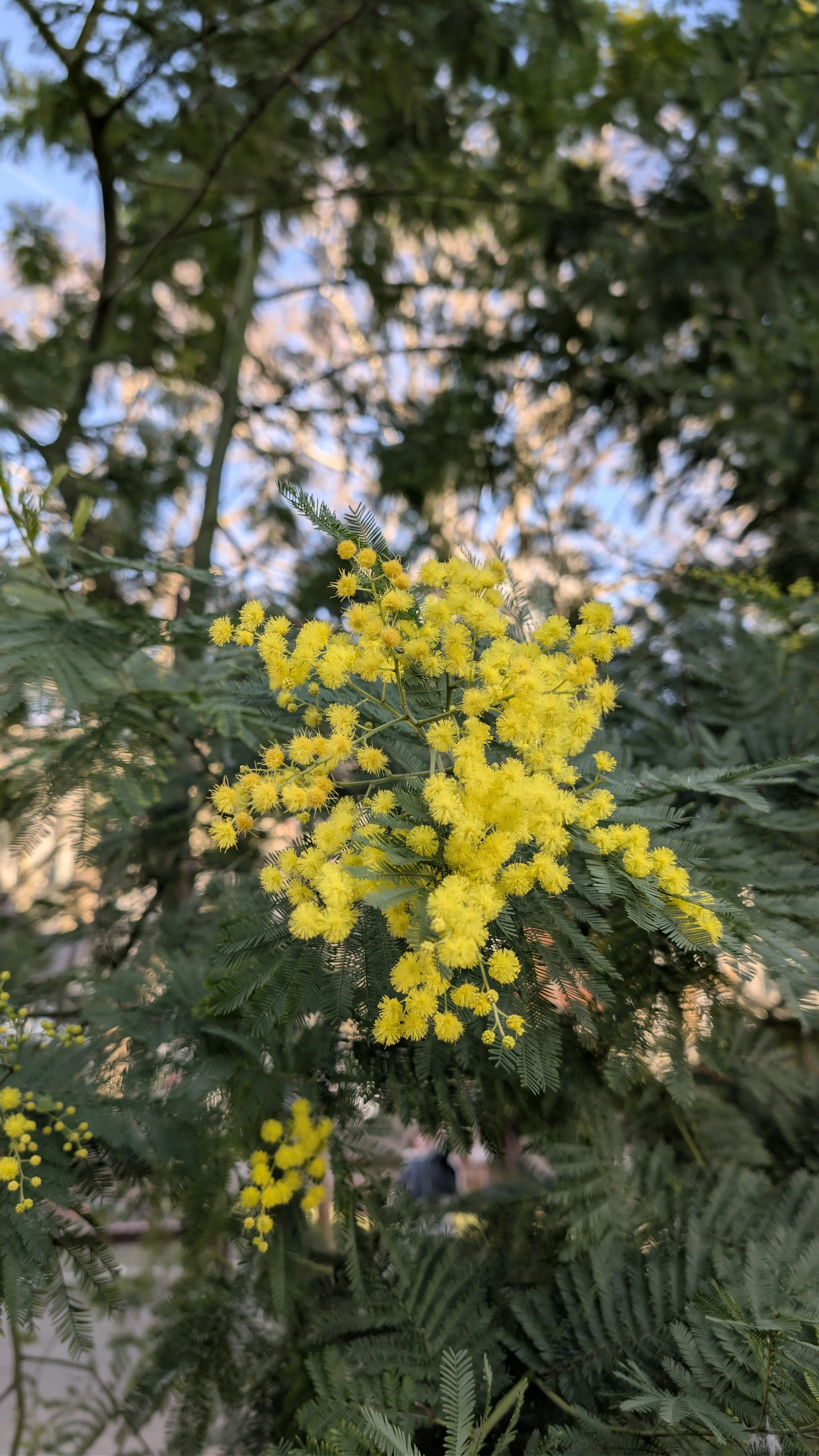
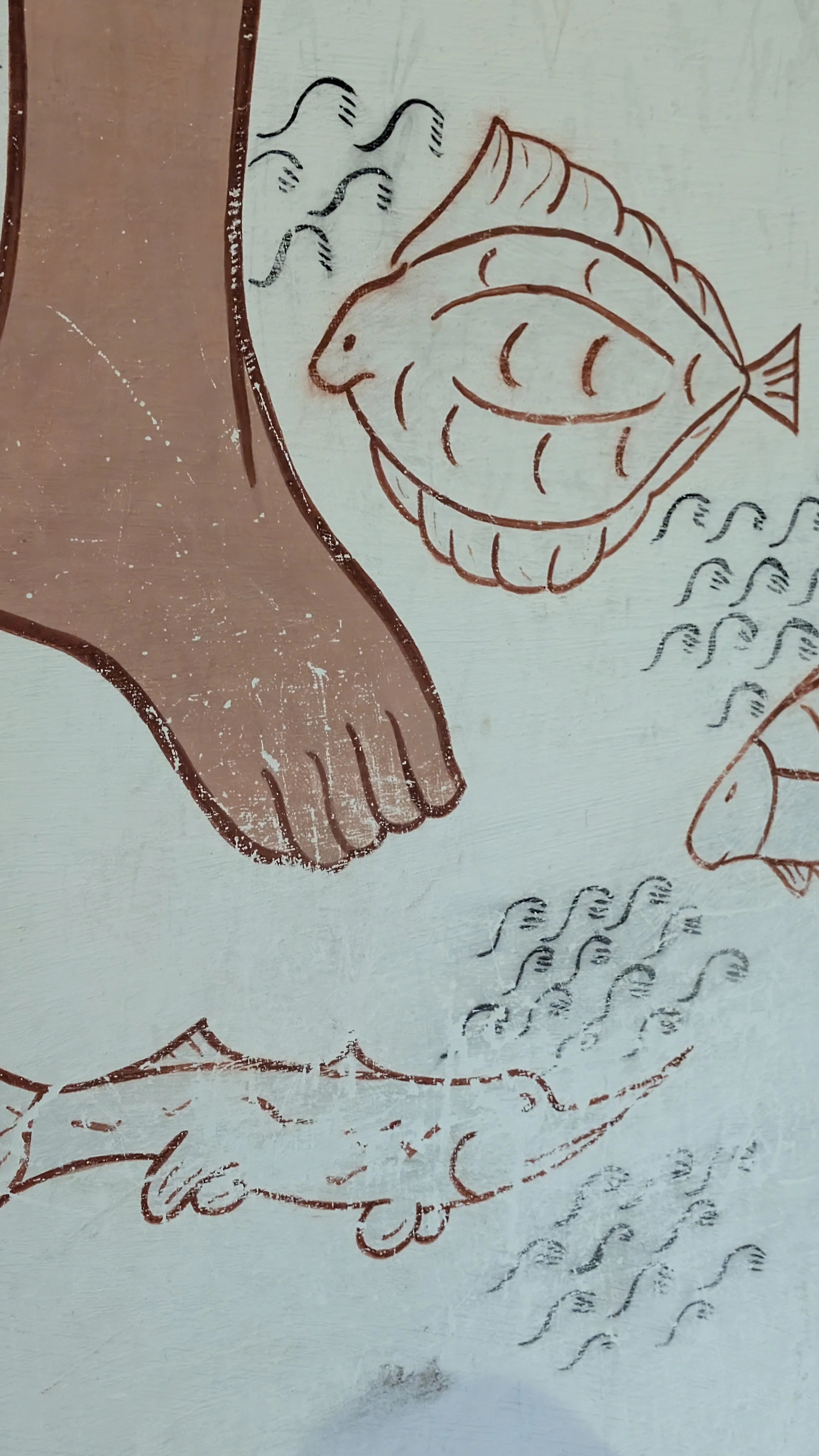
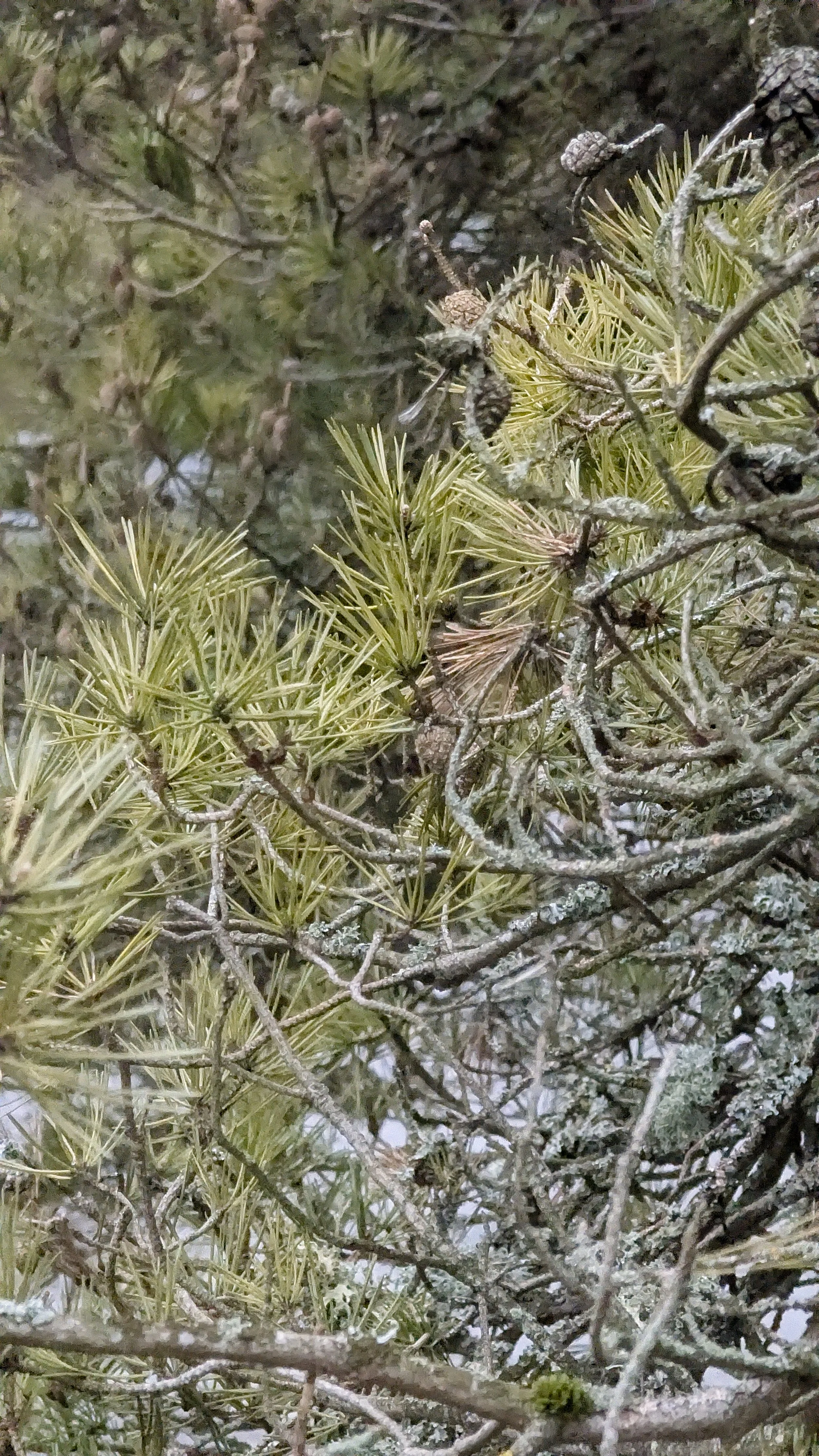
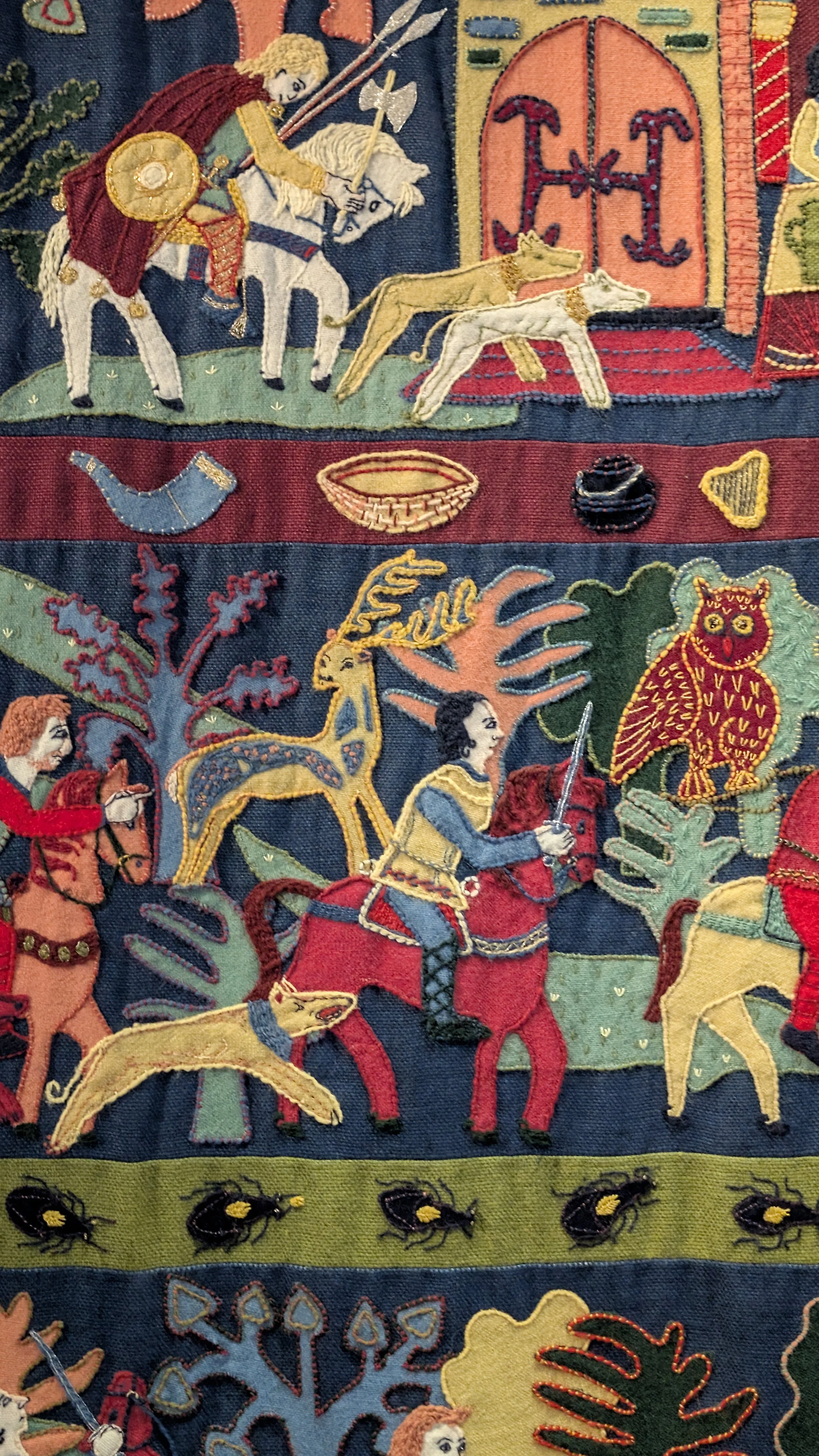
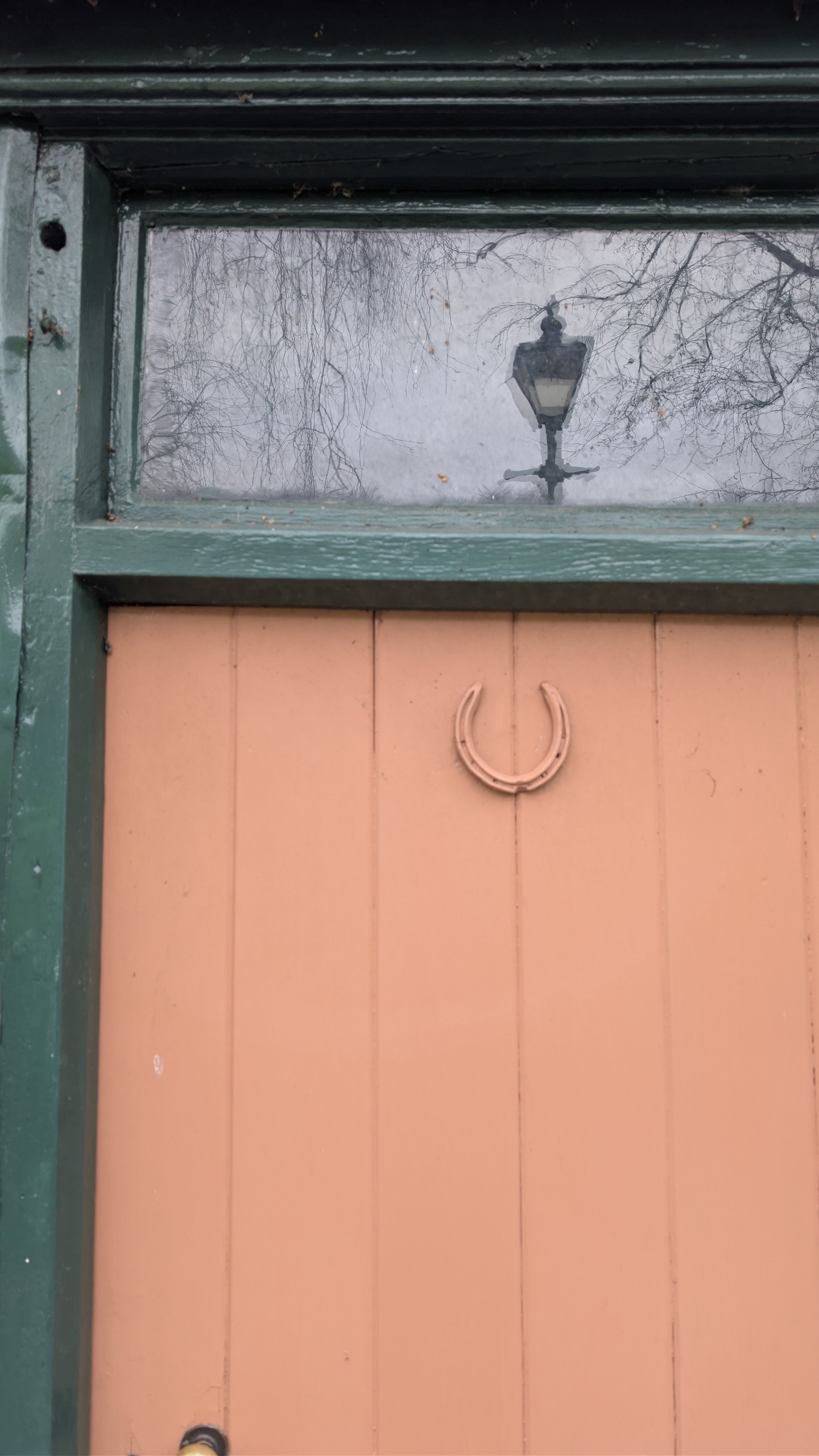
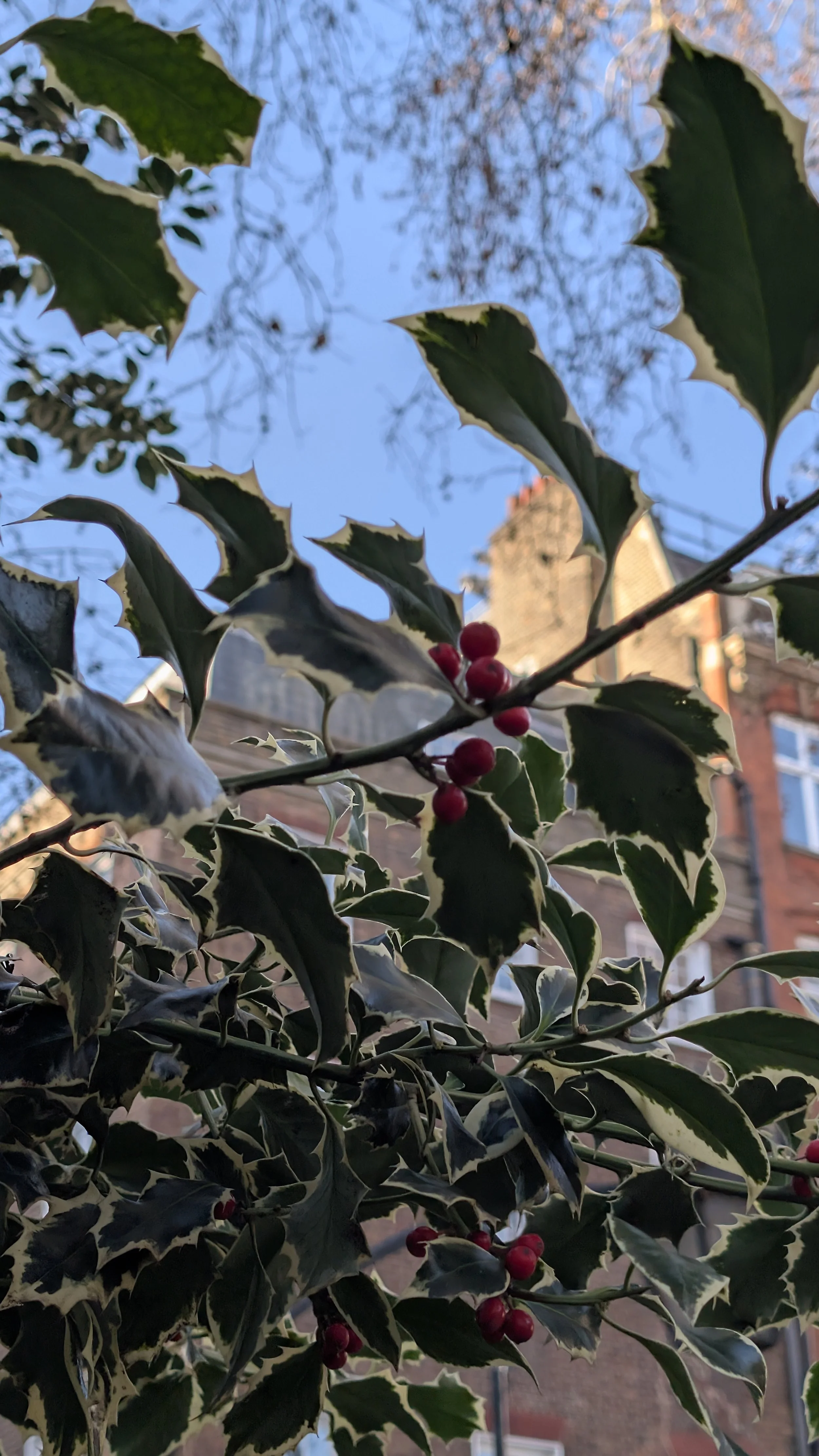
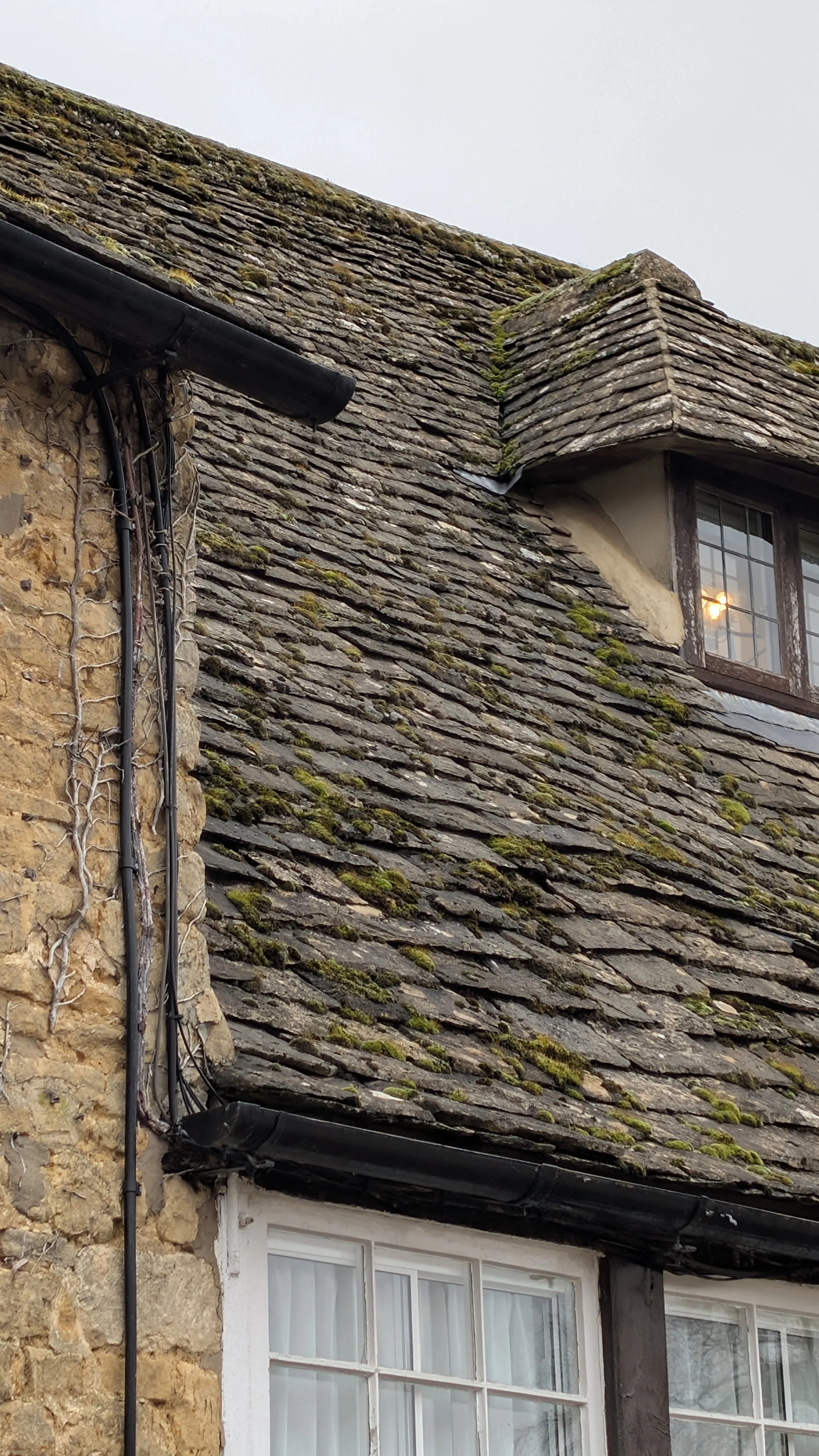
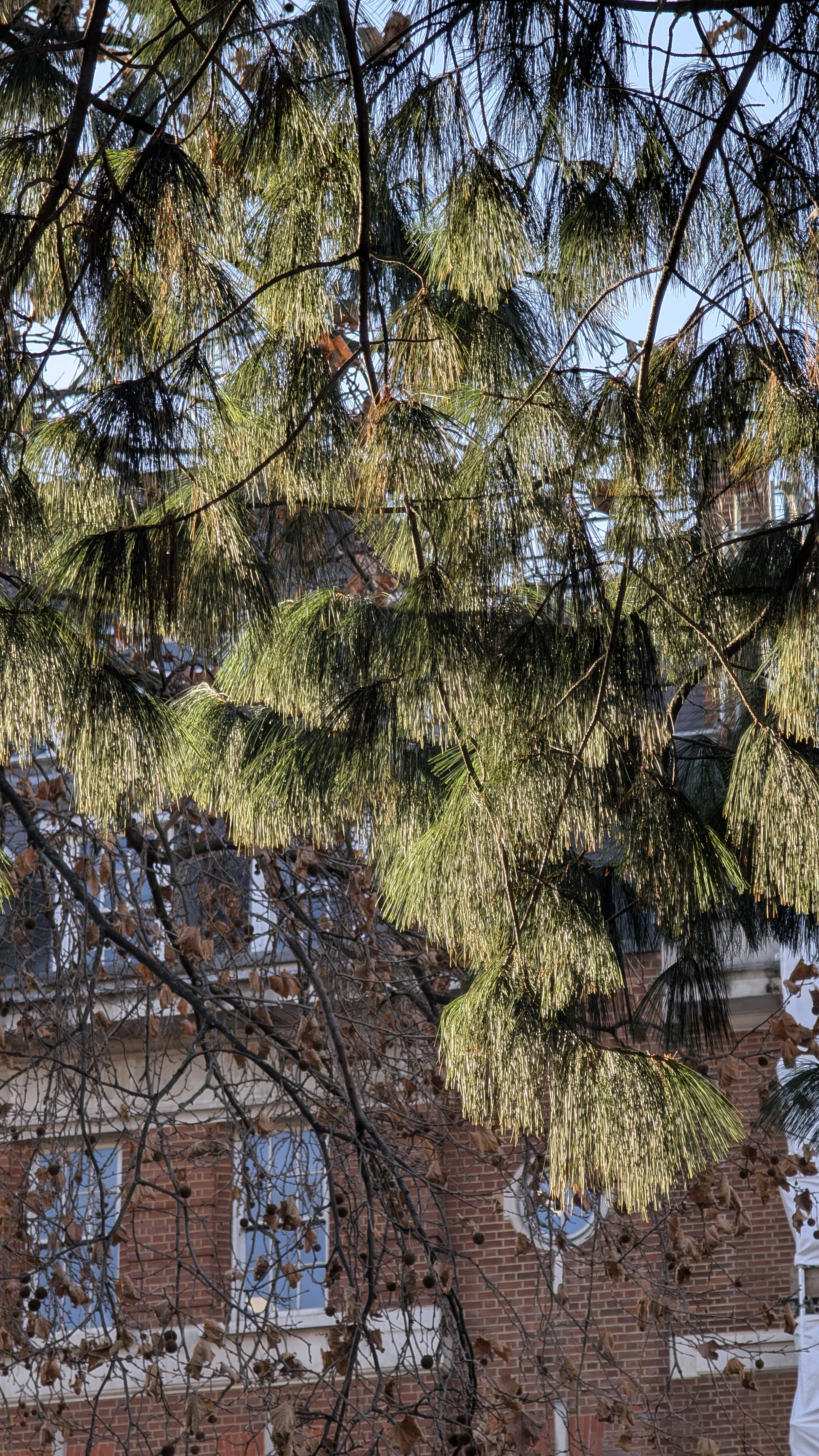
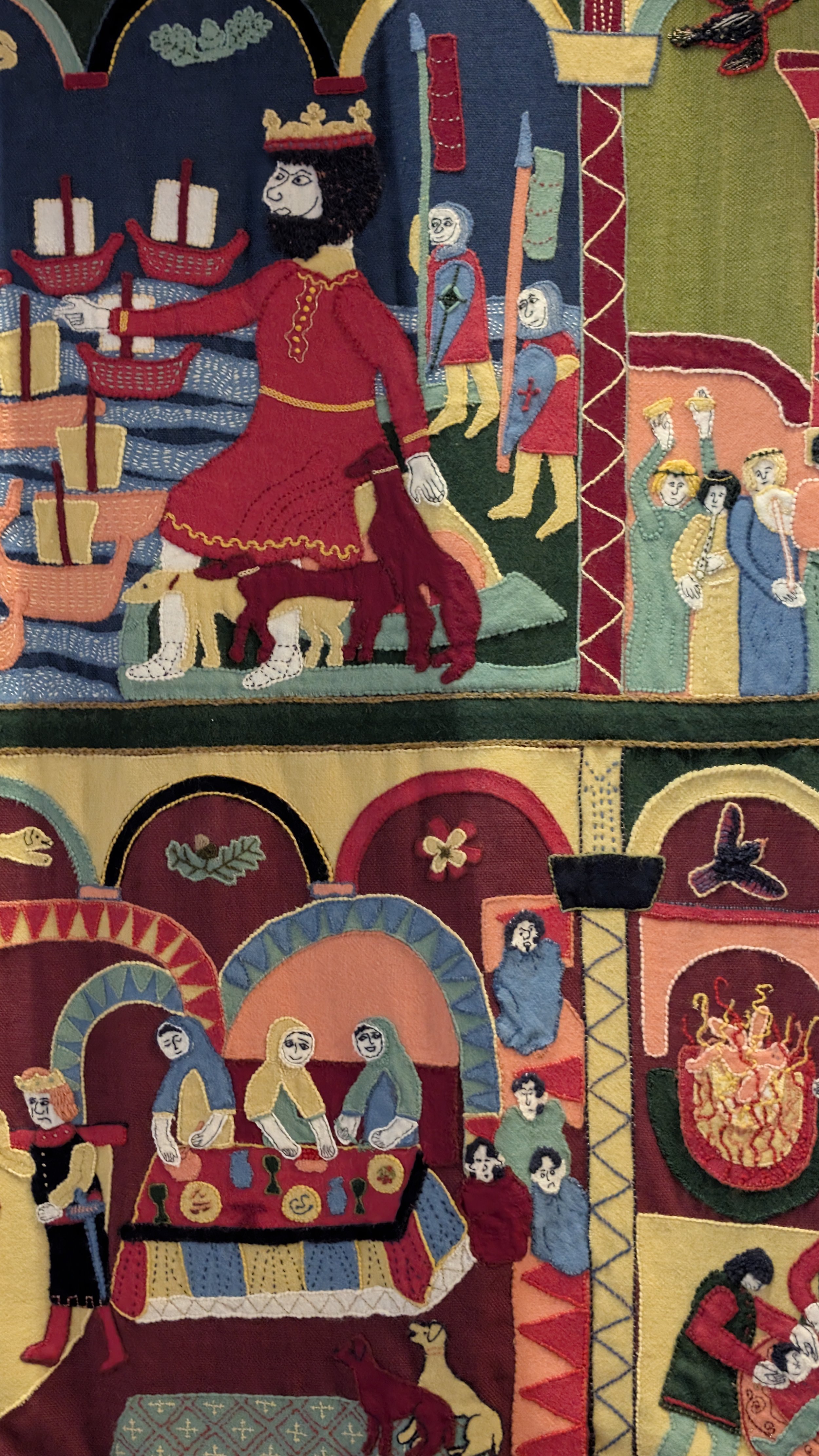
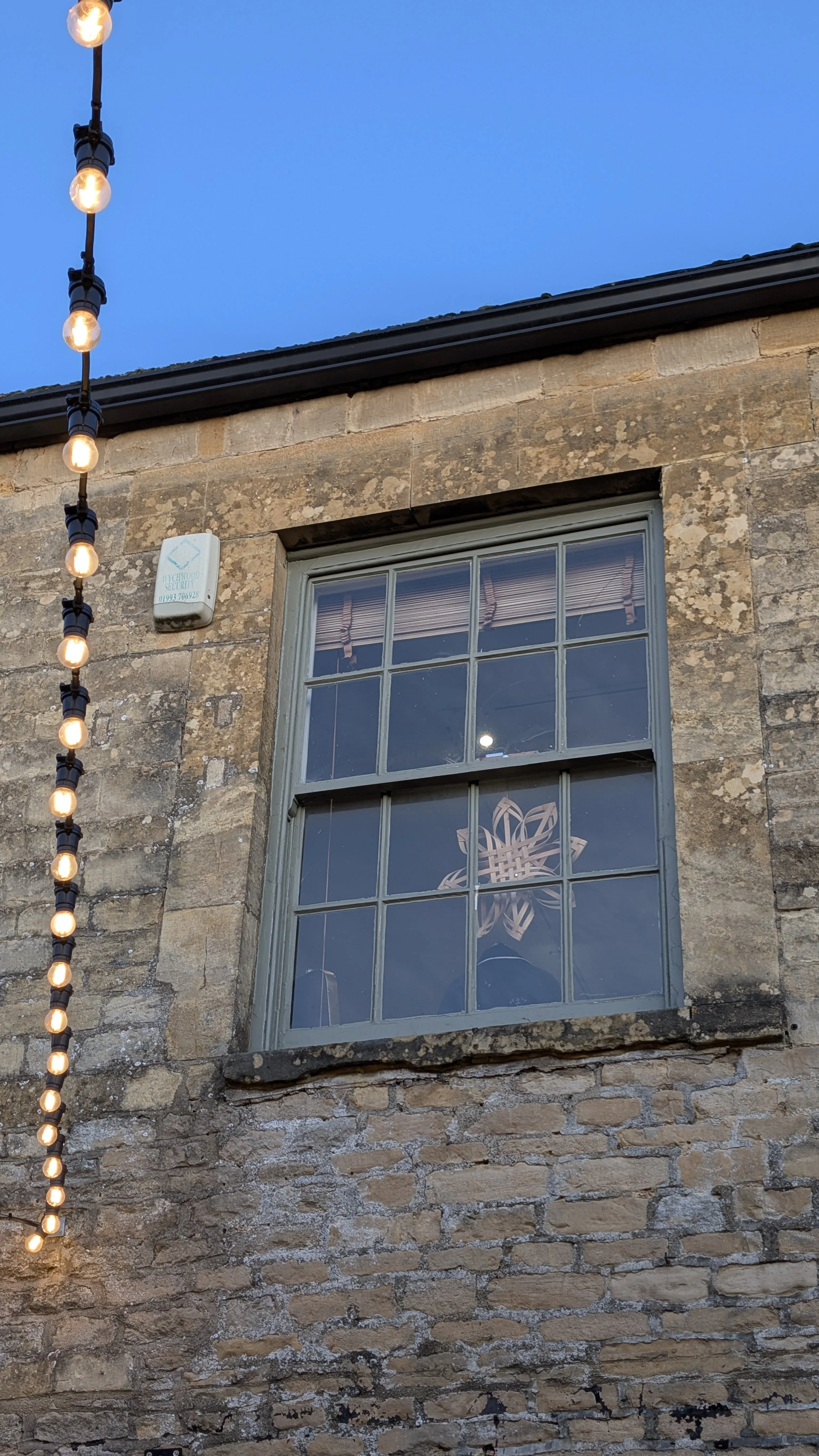
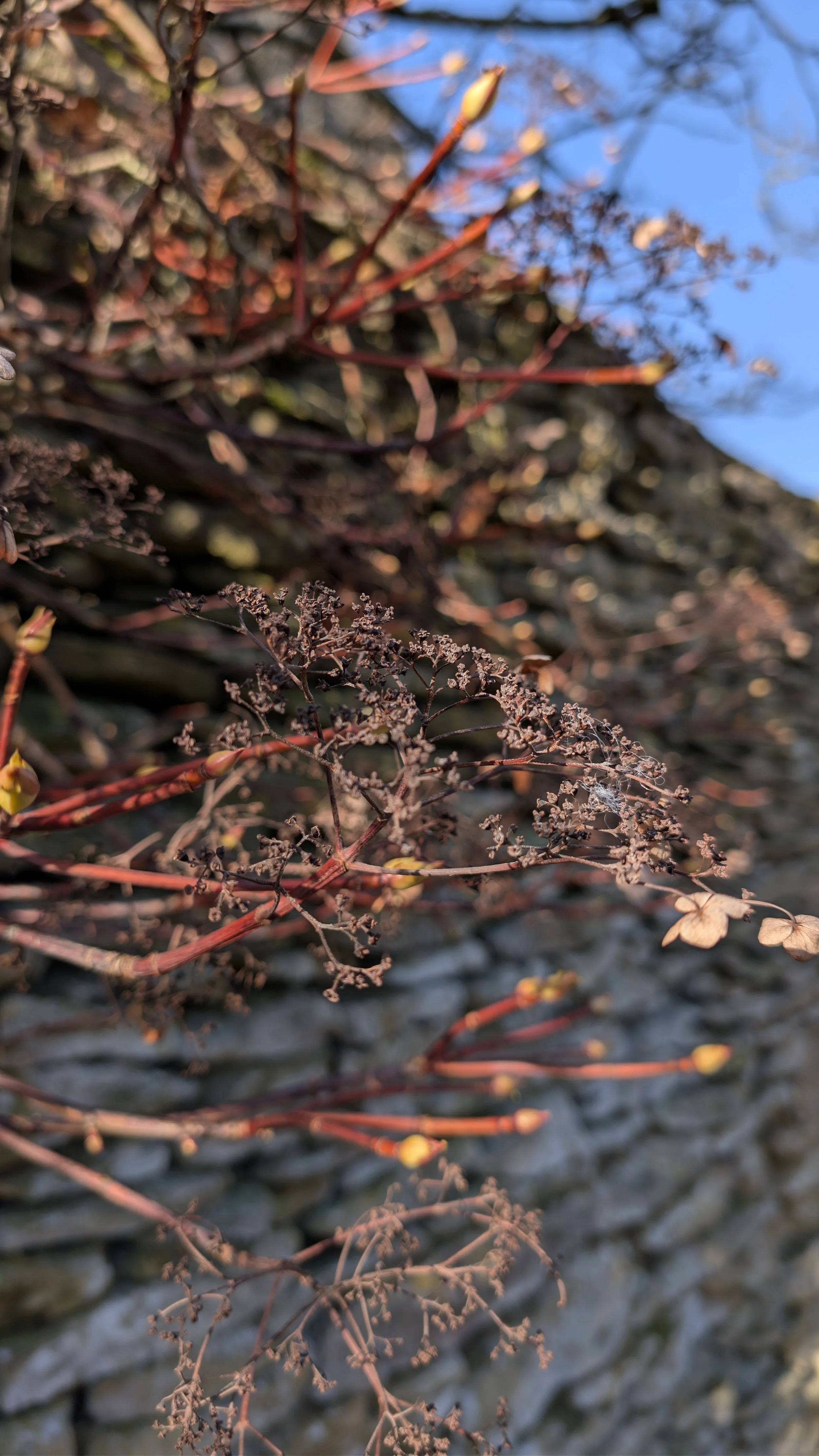
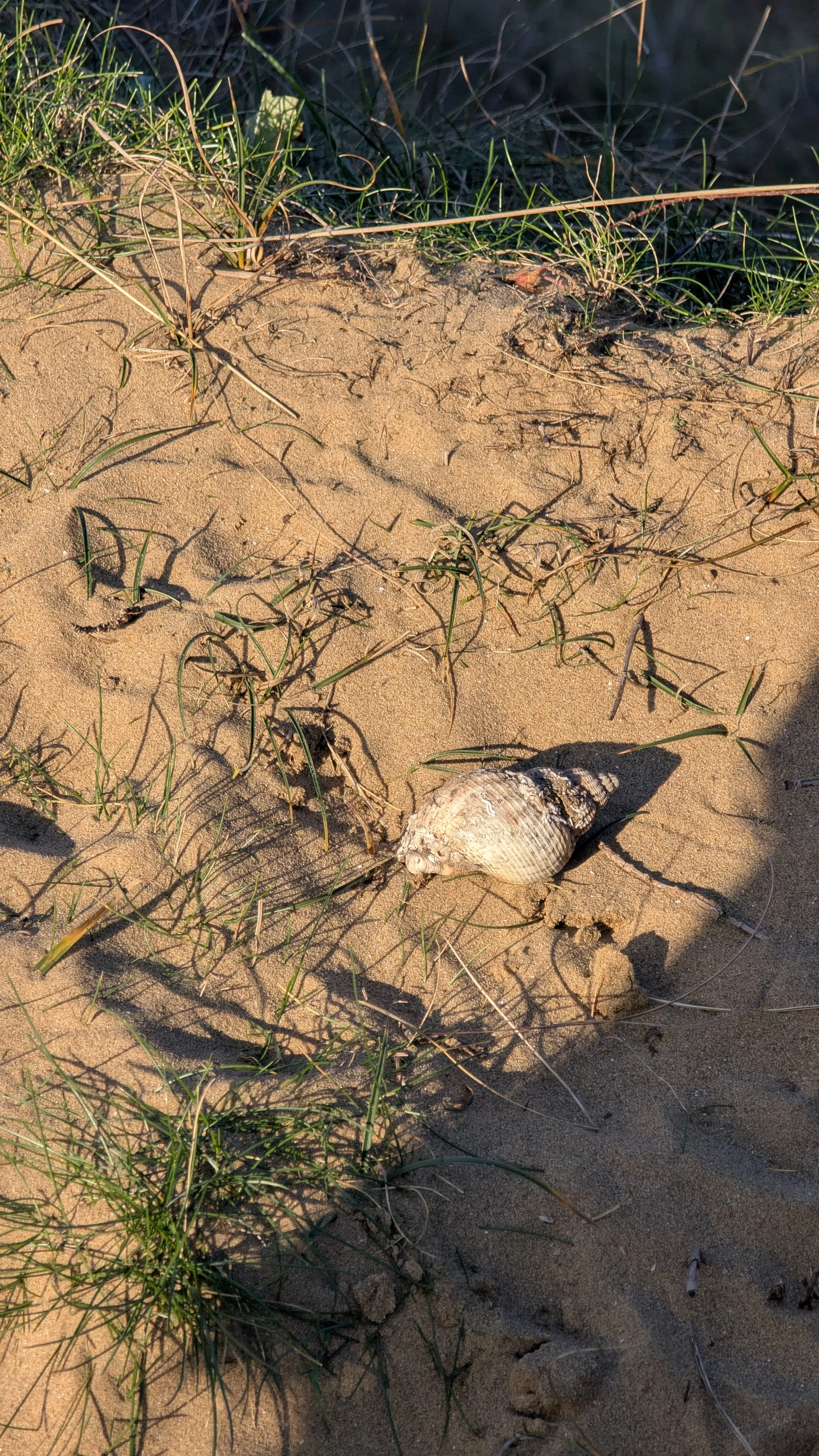
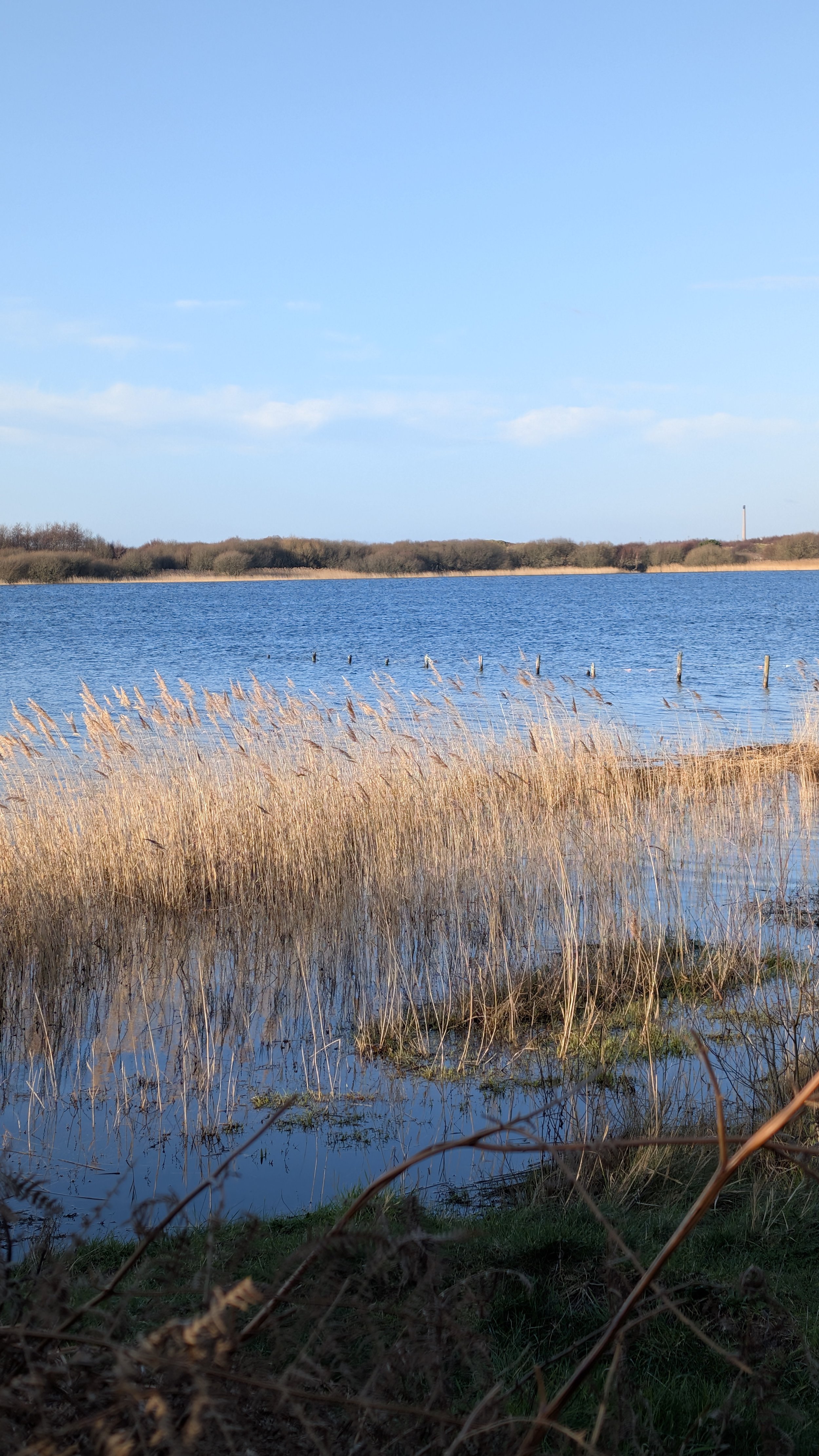
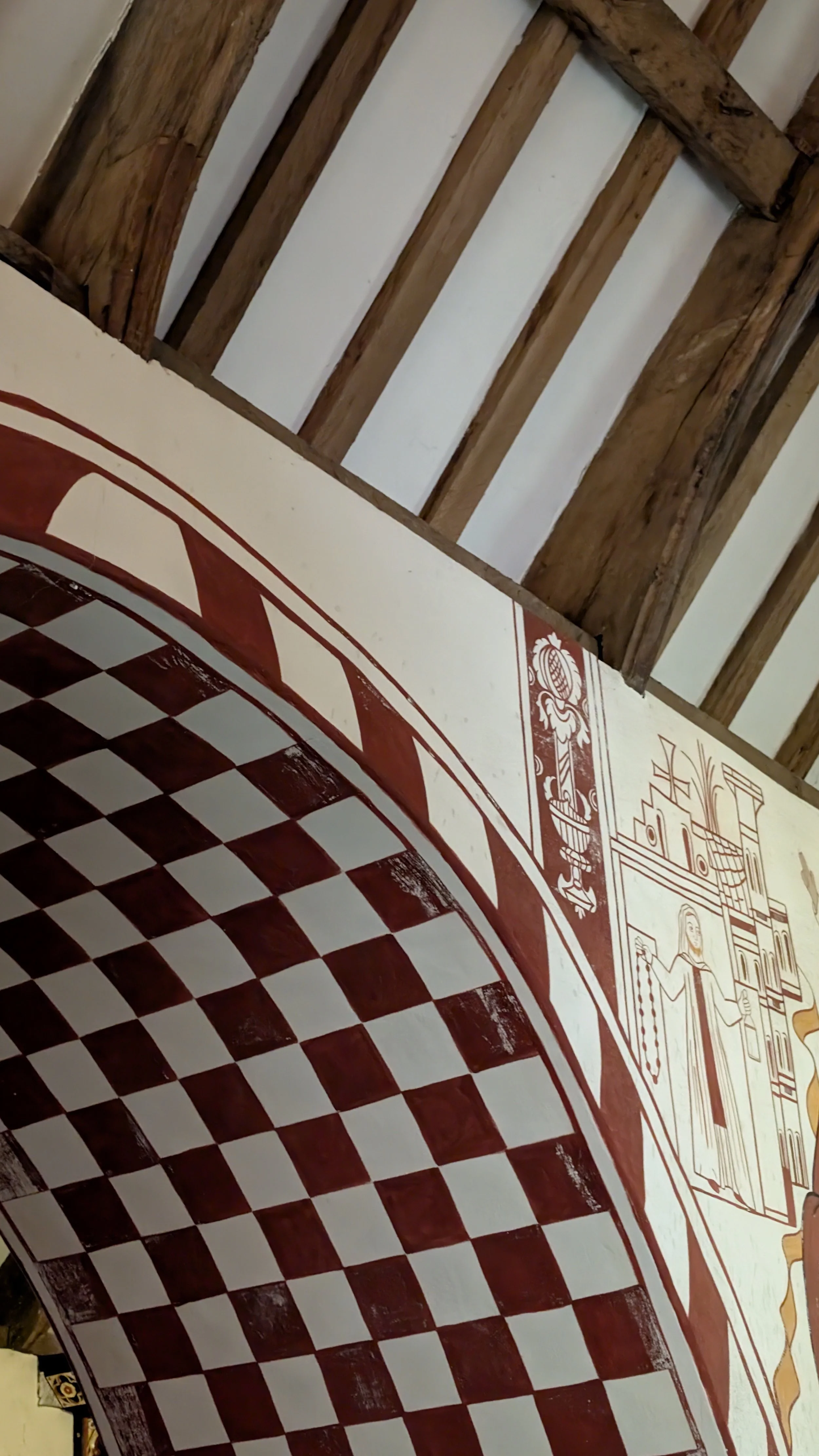
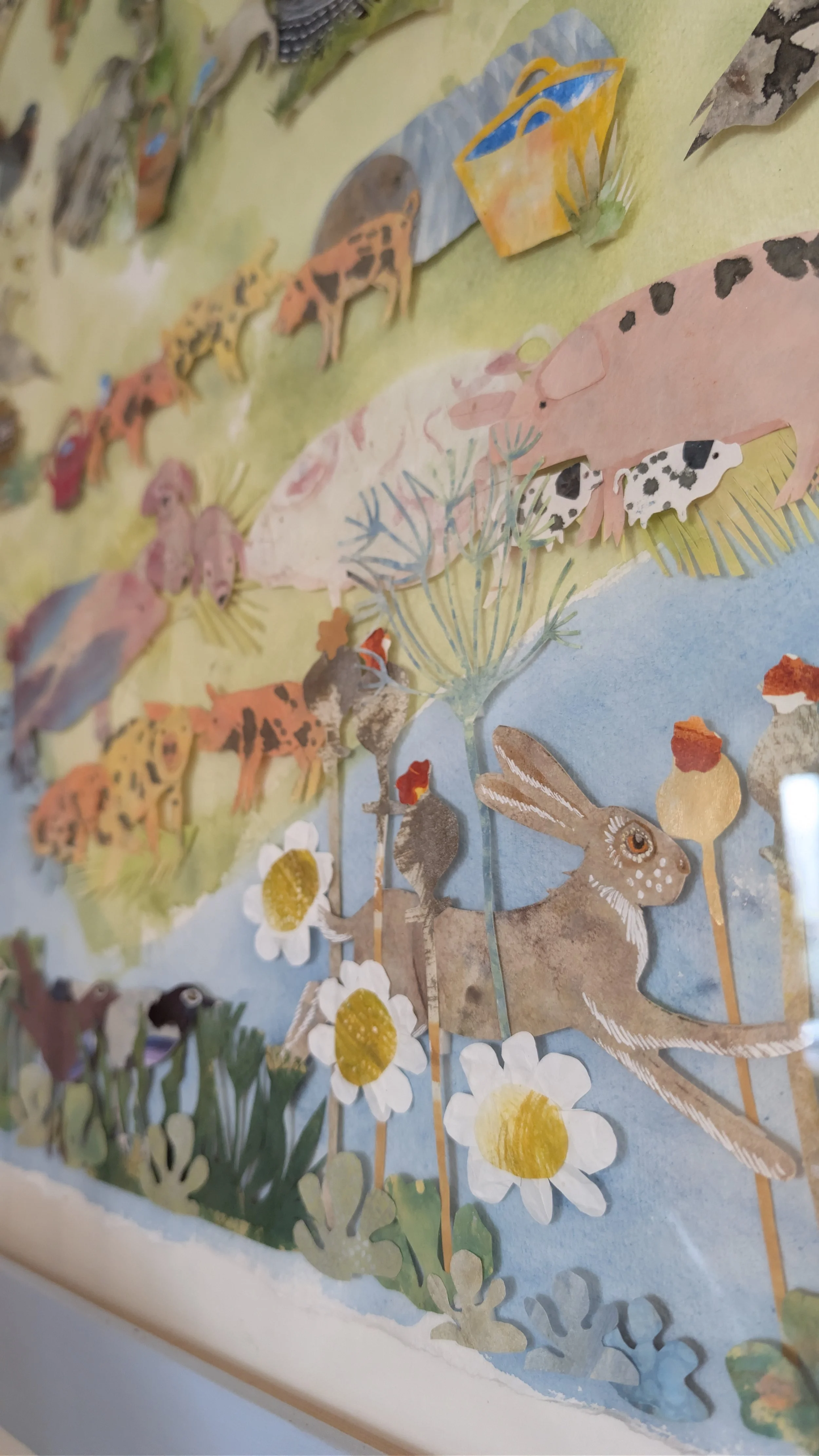
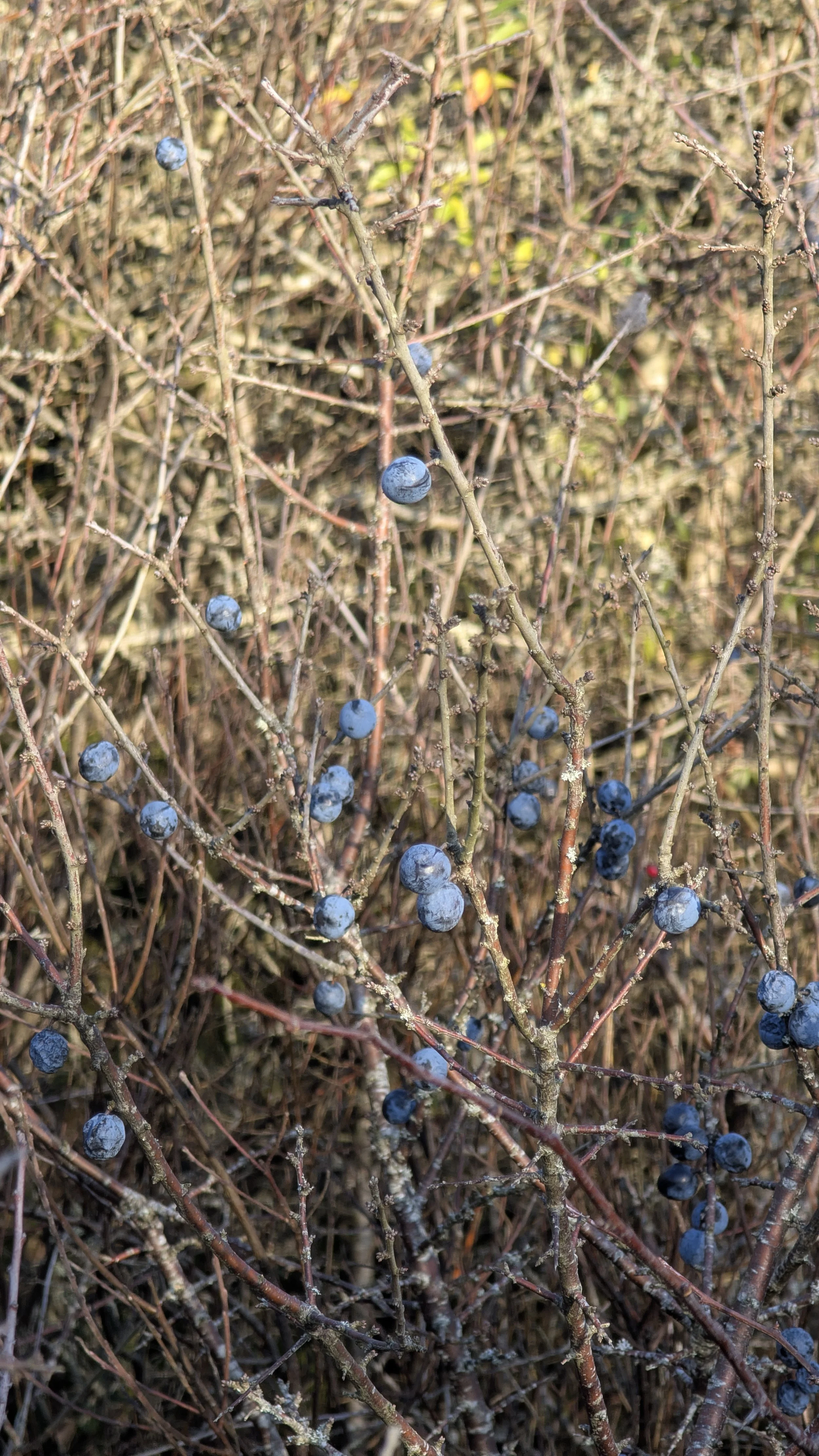
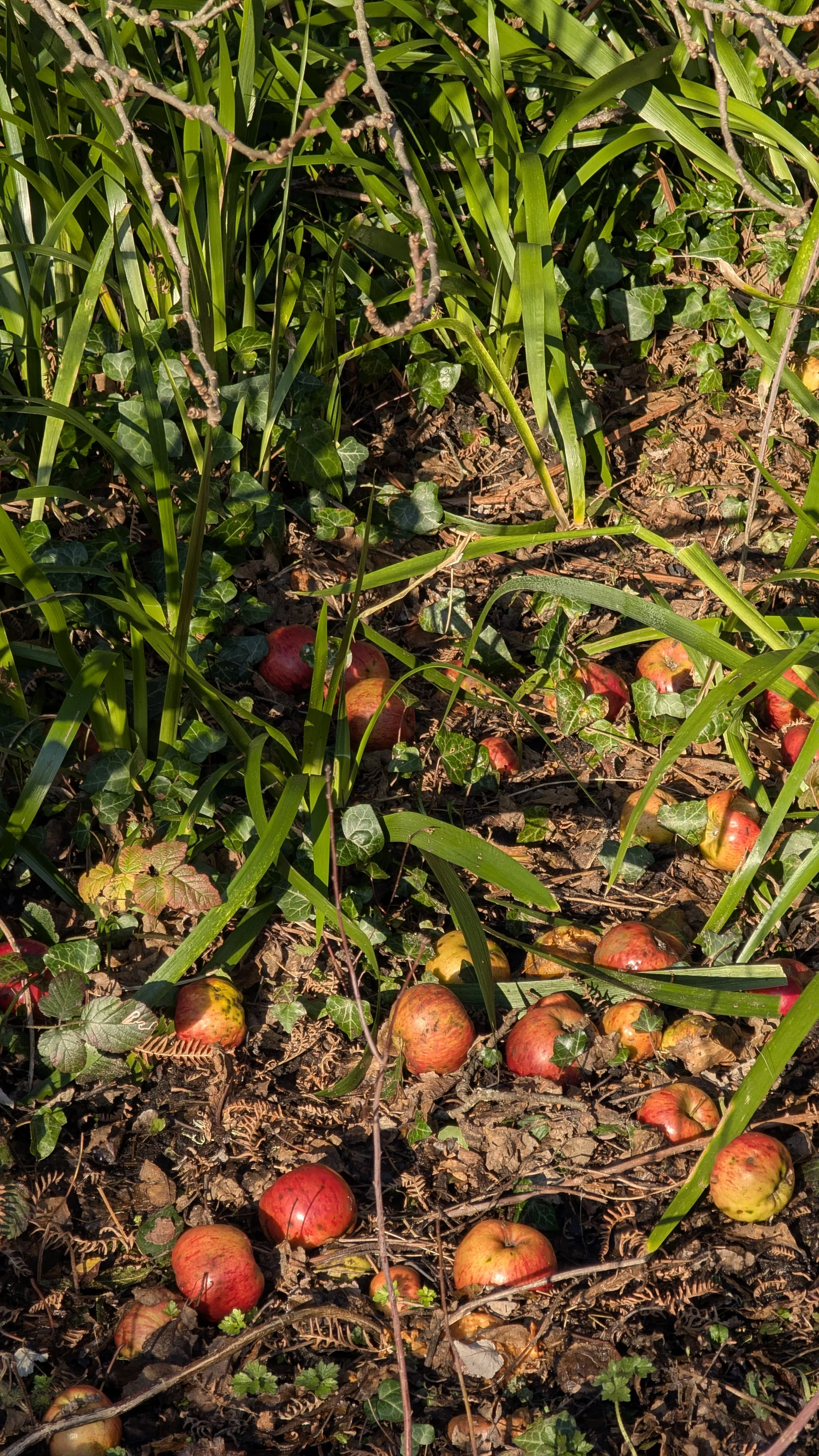
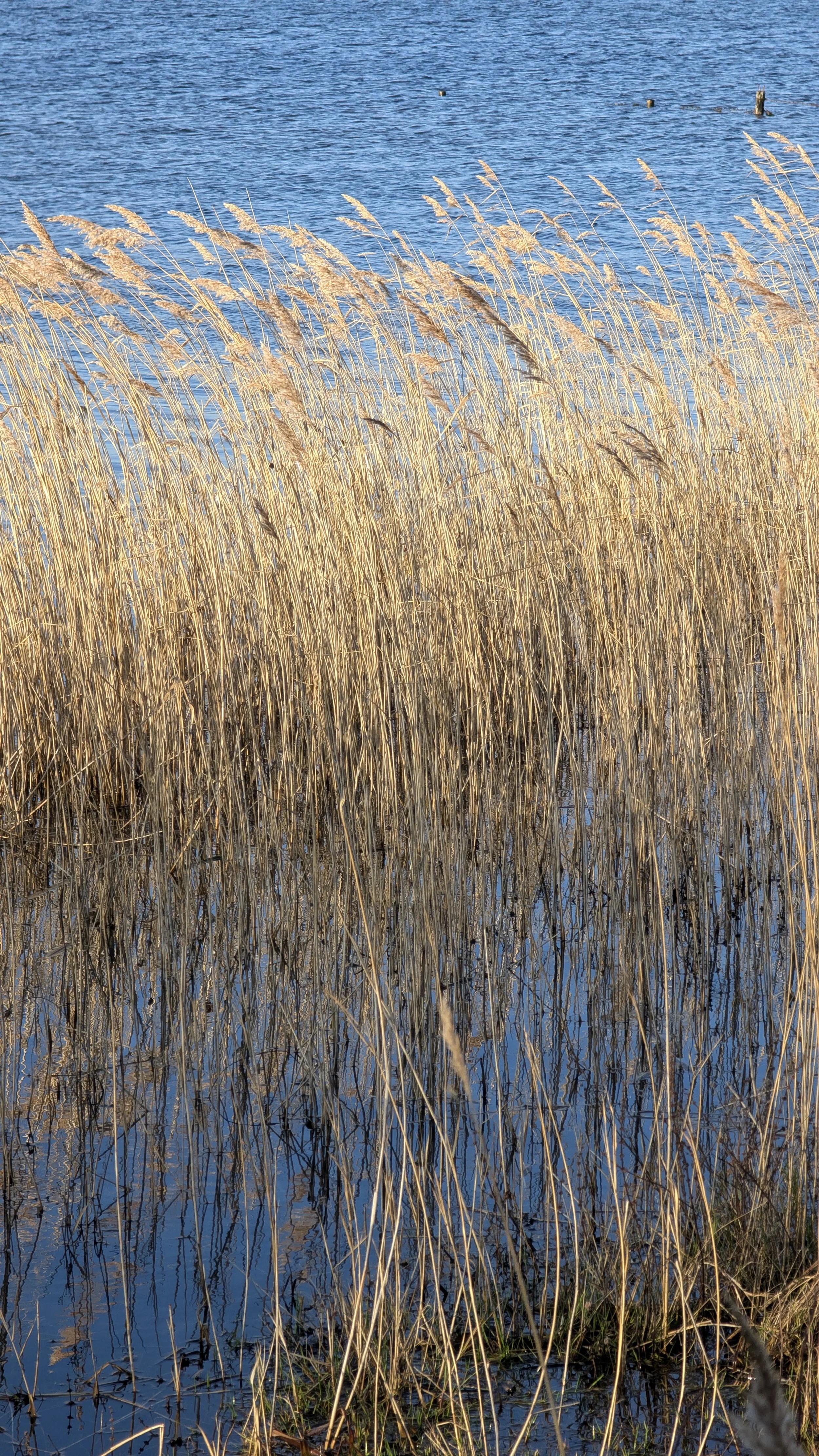
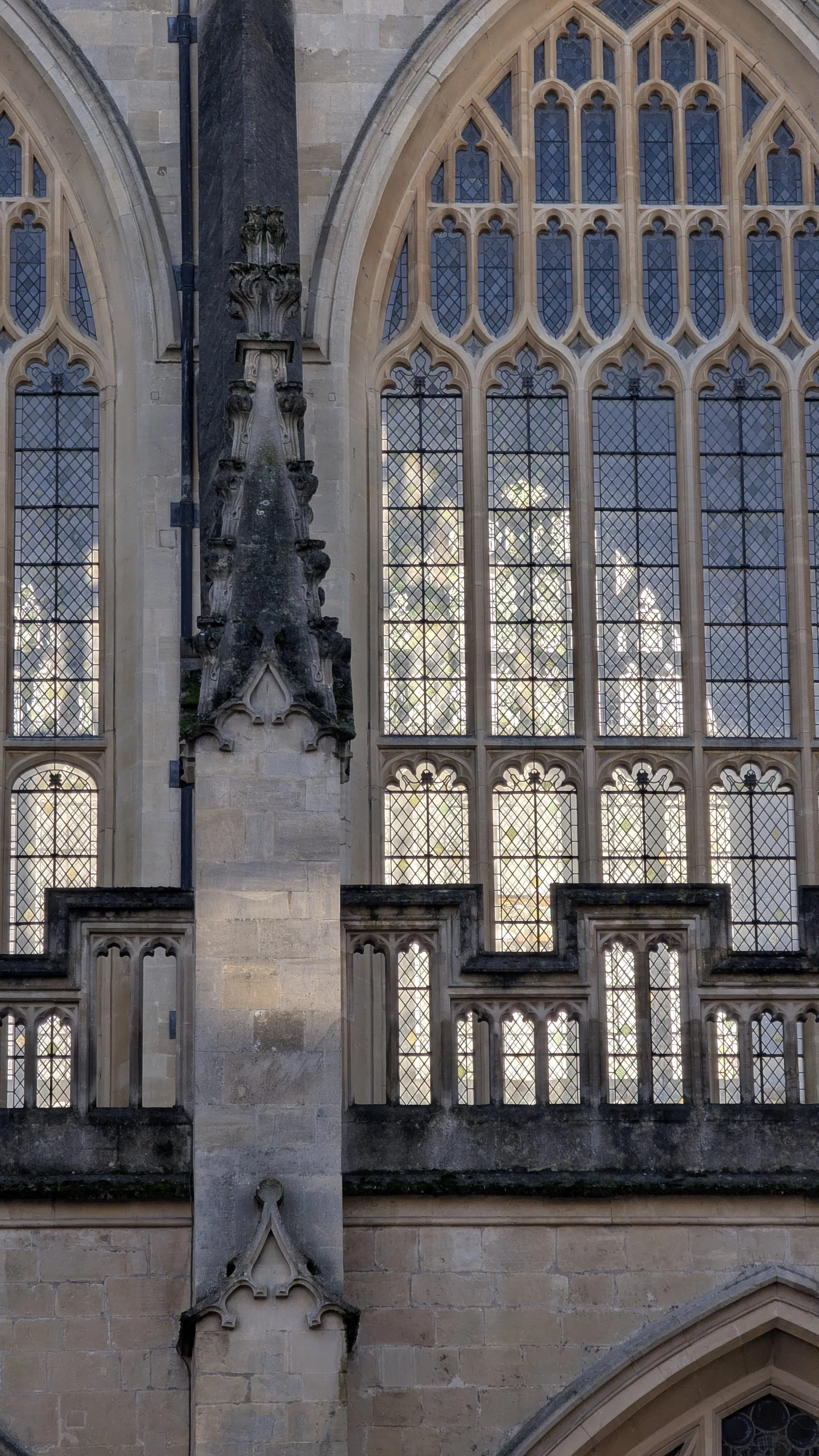
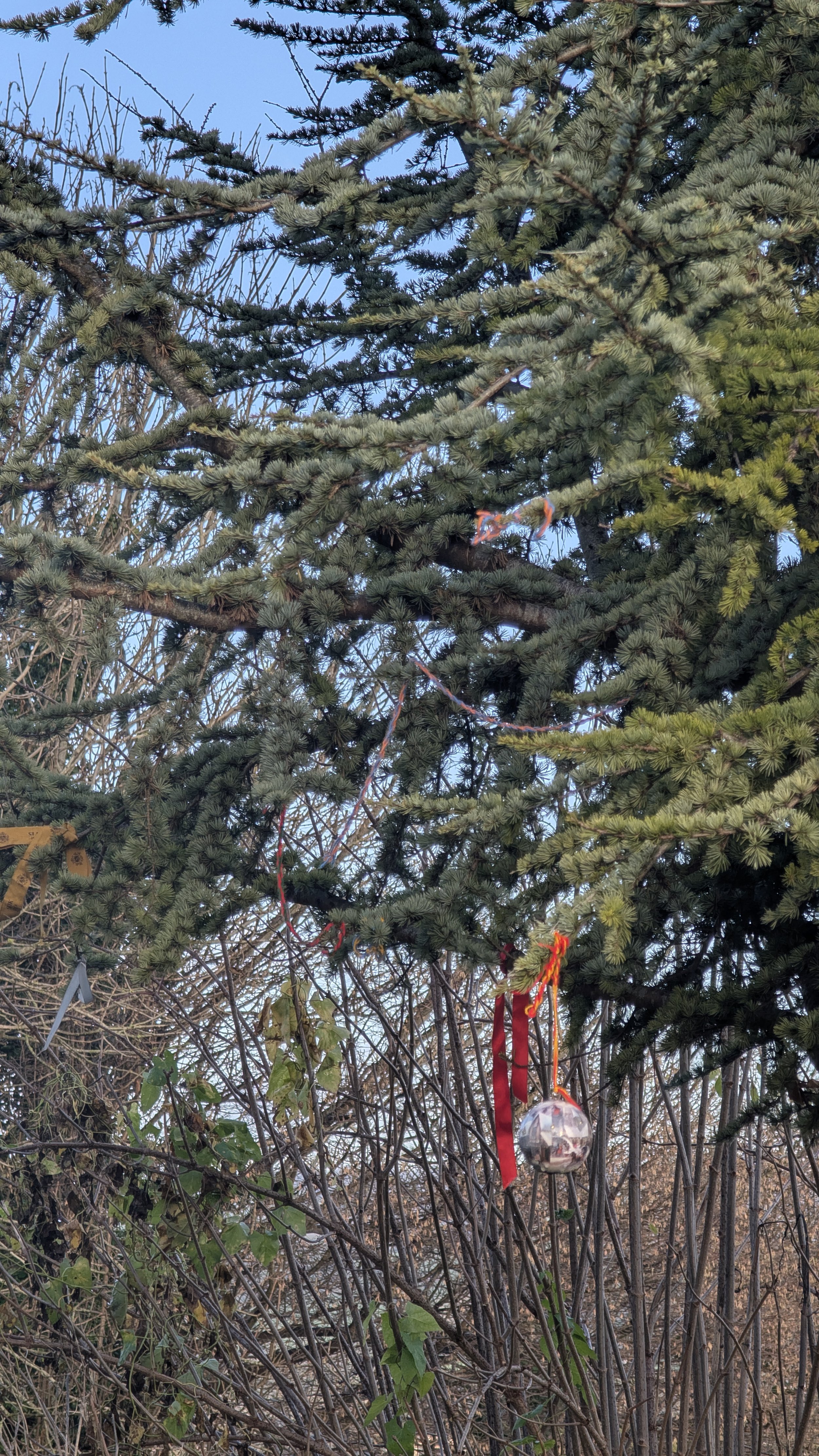
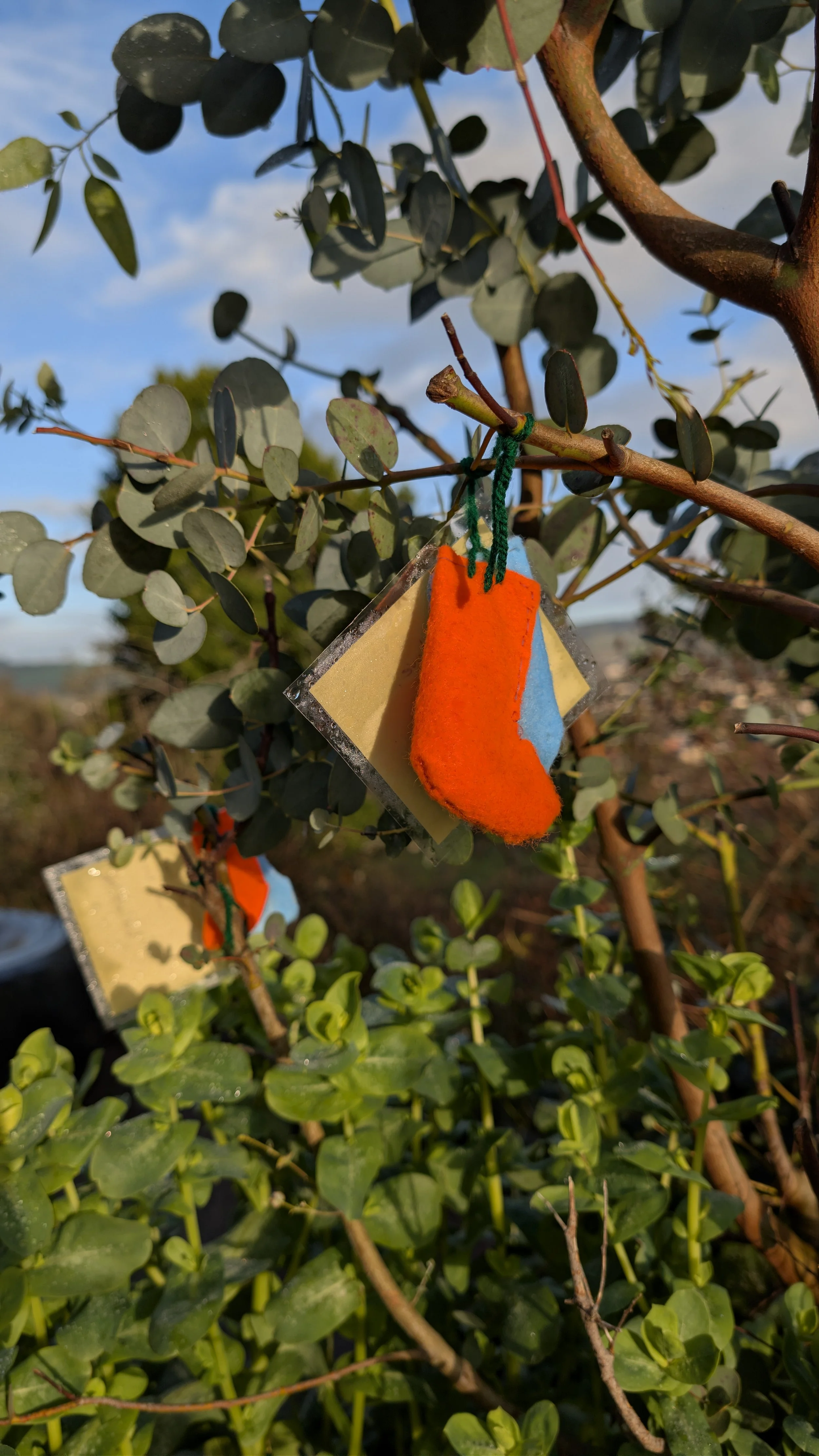
I’ve been drawing inspiration from the sea water, golden light, fallen fruit, festive decoration, folds in fabric, medieval paintings, winter sunrises, local art, Christmas lights,
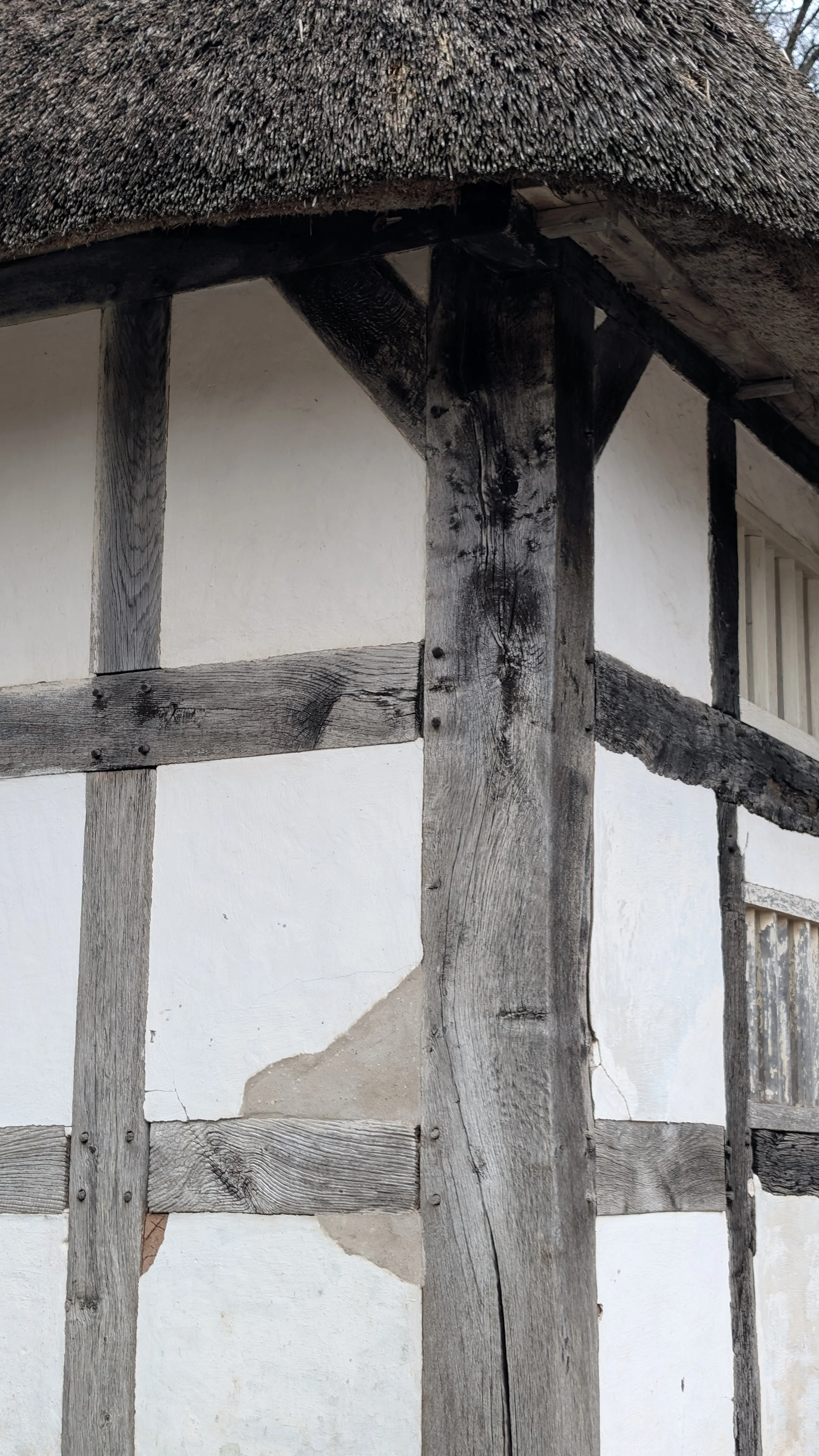
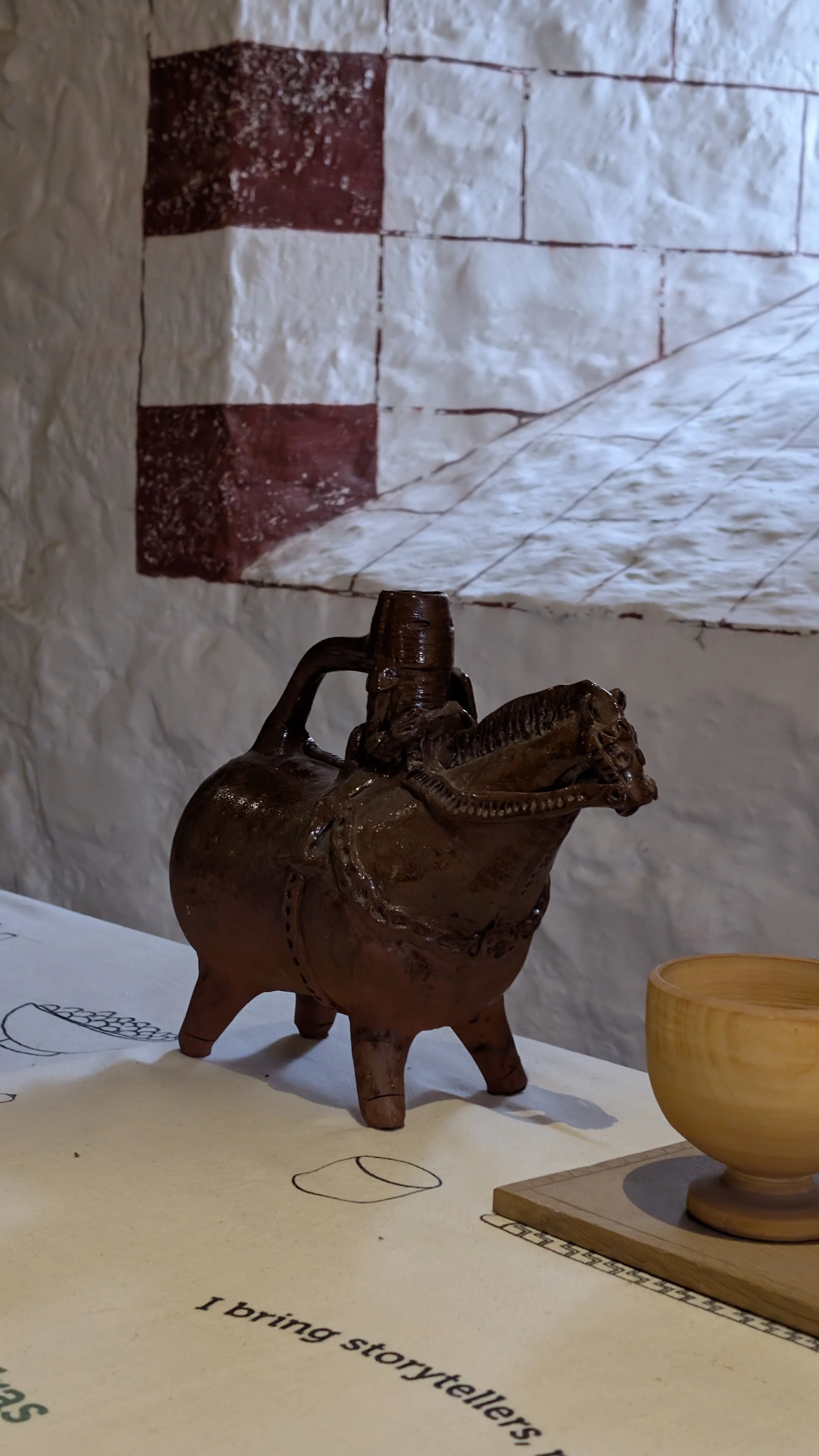
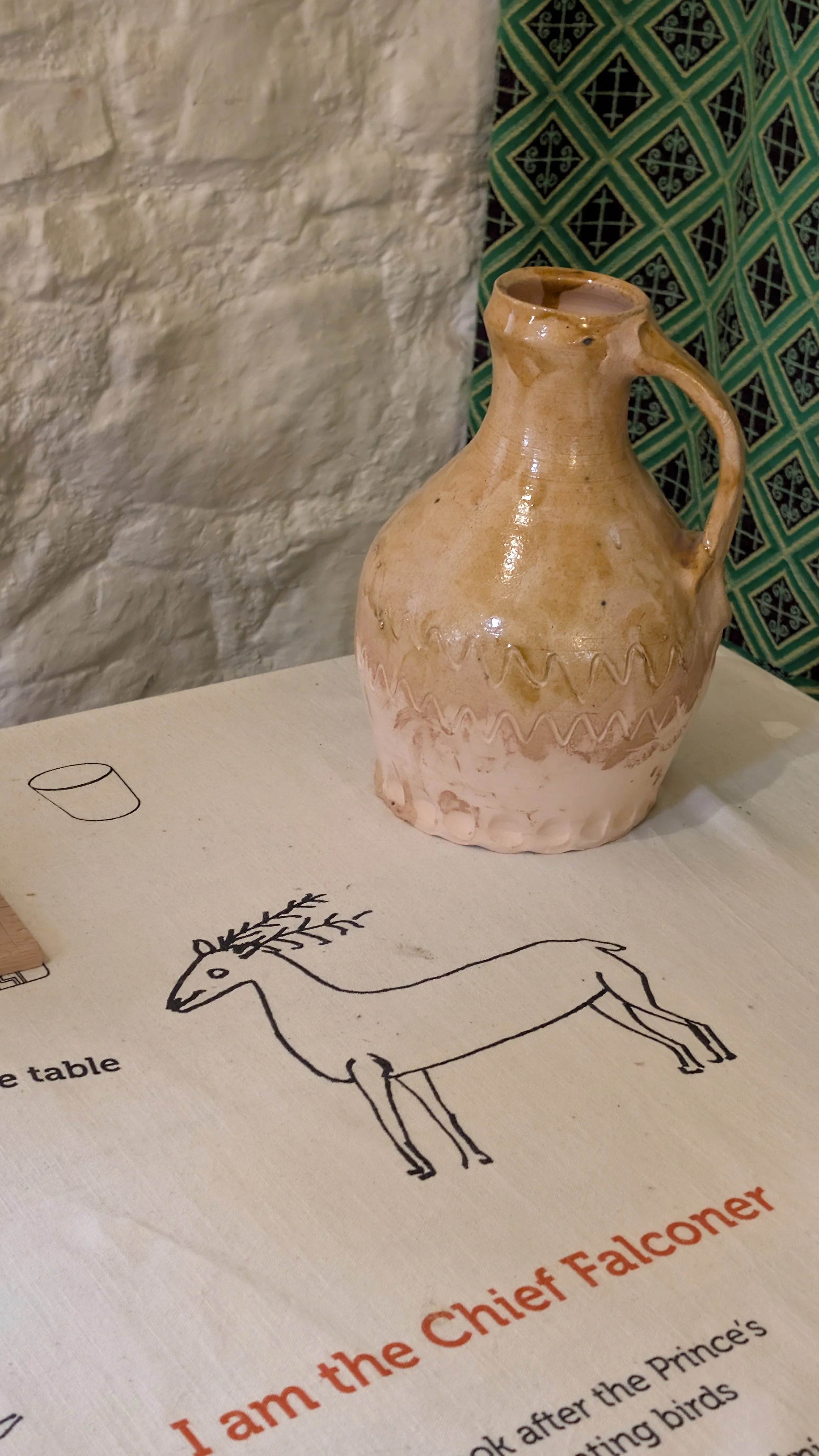
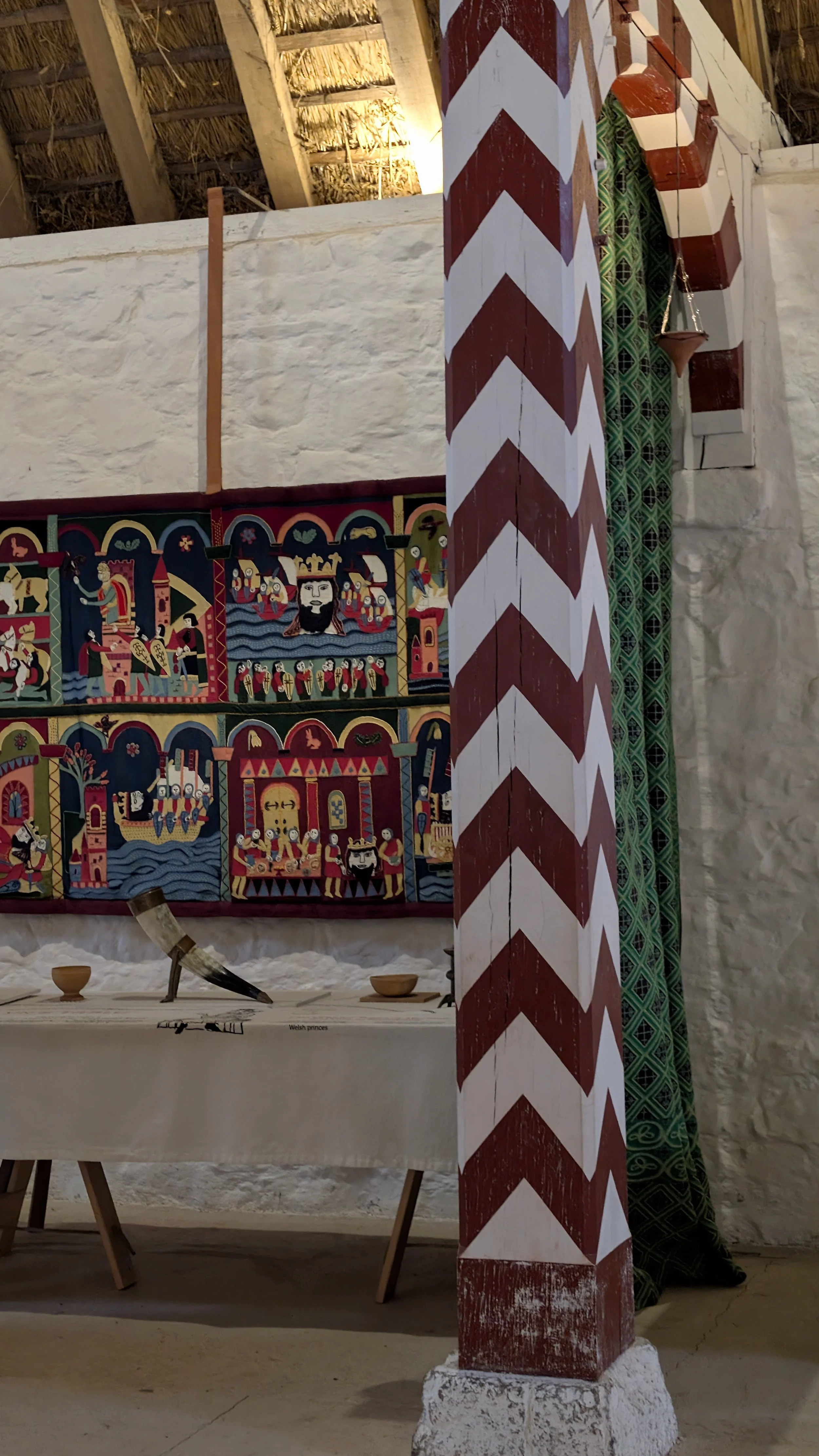
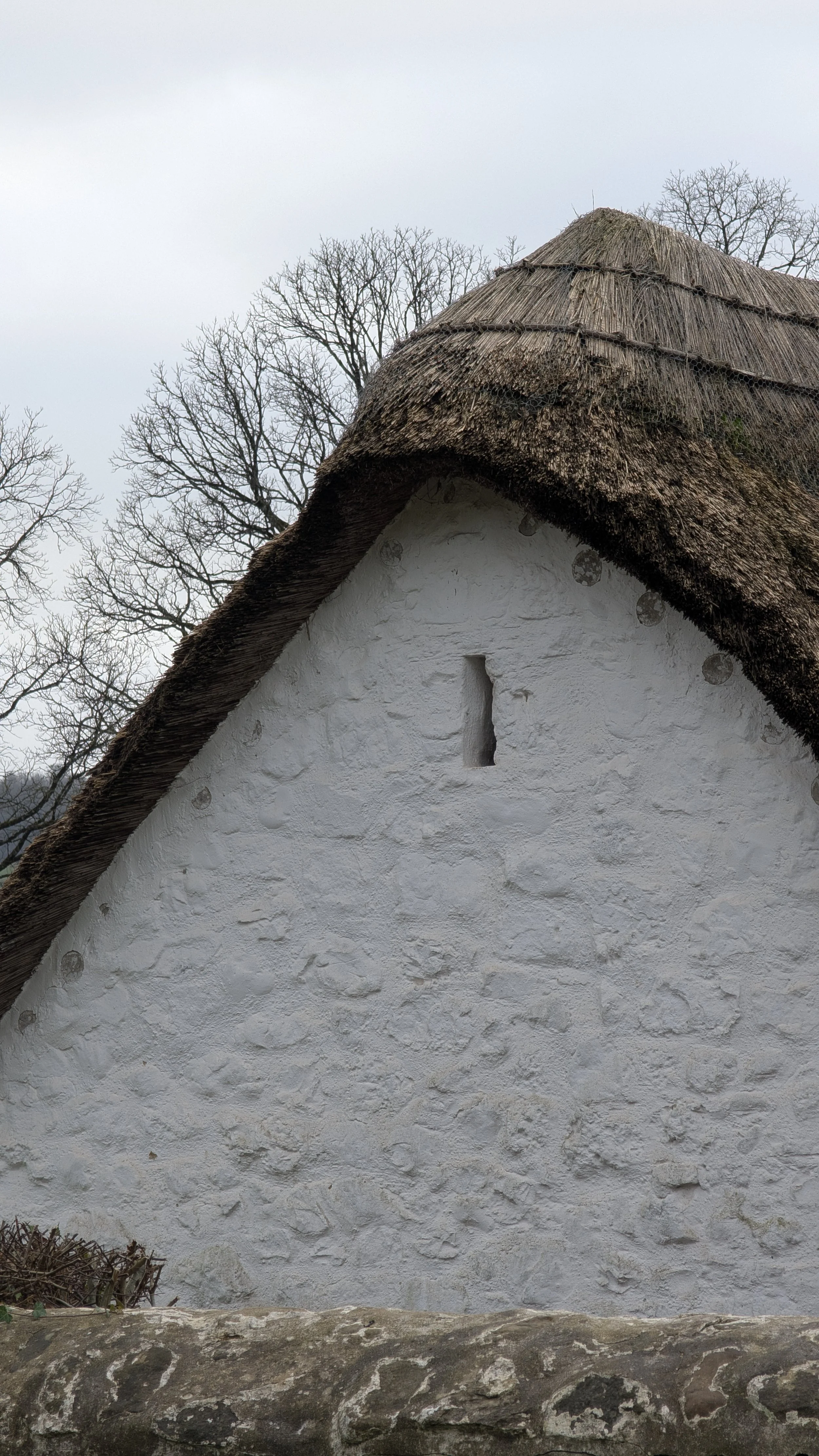
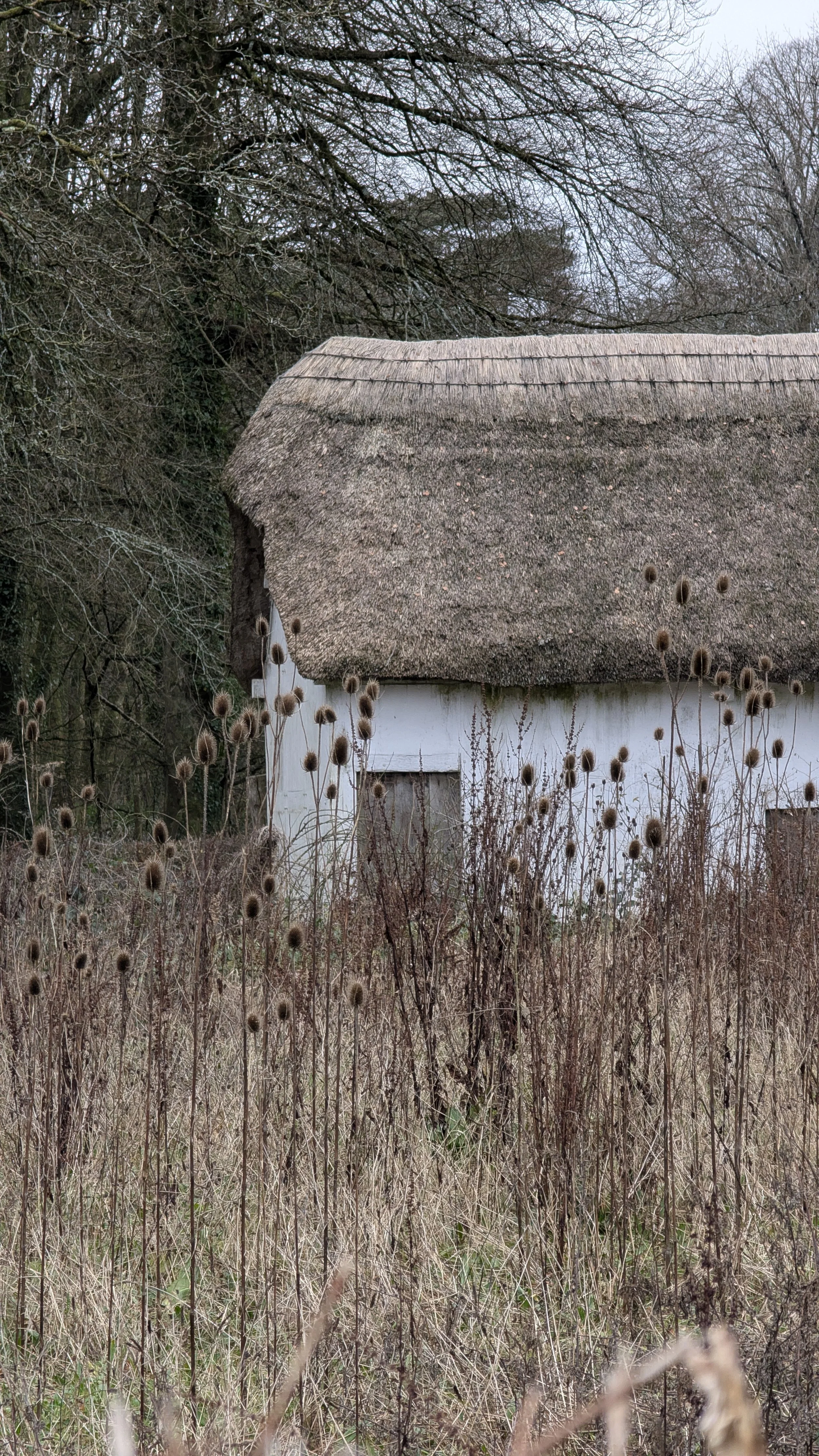
In particular, a huge source of inspiration came from St Fagan’s (National Museum of Wales) which tells the story of everyday life in Wales — how people lived, worked, made things, and cared for one another. It treats ordinary objects as something worth paying attention to.
Seeing craft presented this way has made me think differently about my own practice. It’s a reminder that making doesn’t have to be about newness or perfection. So much of what we value now comes from repetition, from learning by doing, and from responding to real needs. The objects at St Fagans were made to last, to be handled, and to become part of a routine.
That idea of craft being tied to everyday ritual feels especially important to me. Whether it’s bathing, resting, or taking time to pause, these small moments matter. They’re often overlooked, but they’re the parts of daily life that ground us. St Fagans celebrates this kind of living — one that’s slower, more thoughtful, and closely connected to place.
Fölkel is influenced by the same way of thinking. I’m interested in creating objects that feel useful and considered, and that quietly fit into everyday life rather than demanding attention. Visiting St Fagans is a reminder that this approach has deep roots — and that there’s value in continuing to make things with care, intention, and time.