This week, I’ve been reflecting on, and understanding, my intentions and products for both myself and for an audience, and the importance of why I use the materials I do, and what they then become.
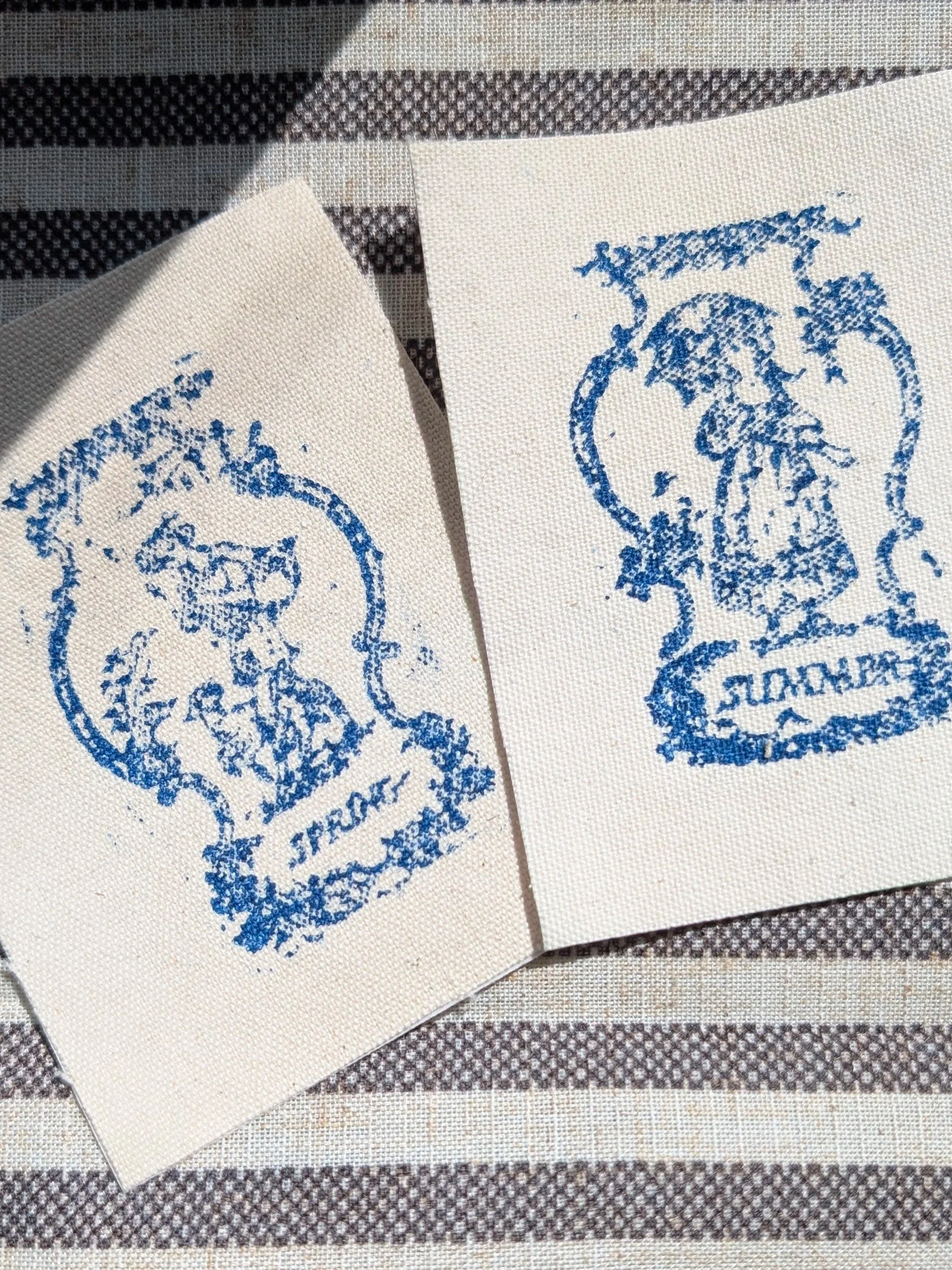
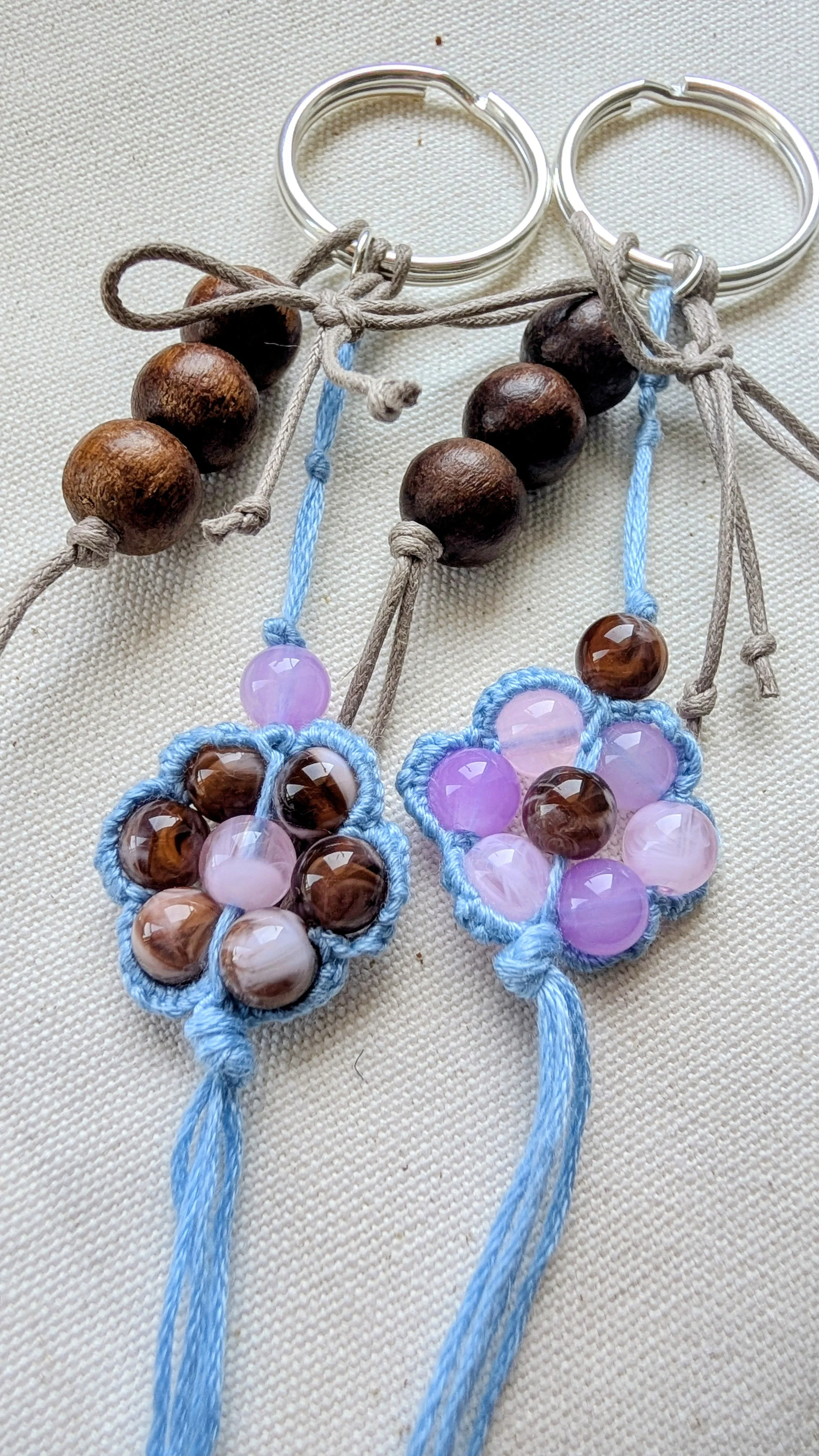
Materials tend to be the starting point of my ideas and also where they have come from. From the very beginning of my practice (both with Fölkel and in previous work), where the material has come from and how the object is used is the most important to me. I want to make functional pieces that have minimal environmental impact and so I look firstly to second-hand materials when it comes to fabrics, embroidery threads, beads, buttons, stamps, zips, straps, inks, packaging and really most things. I will avoid buying new materials unless a product requires it for durability (for examples, clasps on necklaces) or if an existing material can be enhanced to prolonged it’s life (such as, adhesive paper to turn fabric into stickers).
Looking in second-hand haberdashery stores, online marketplaces, and charity shops, means having access to unique and one-of-a-kind pieces, and in turn stops my work from becoming mass-produced or ordinary. It also becomes its own concept, with objects having a shared history of being passed between hands and new narratives being made.
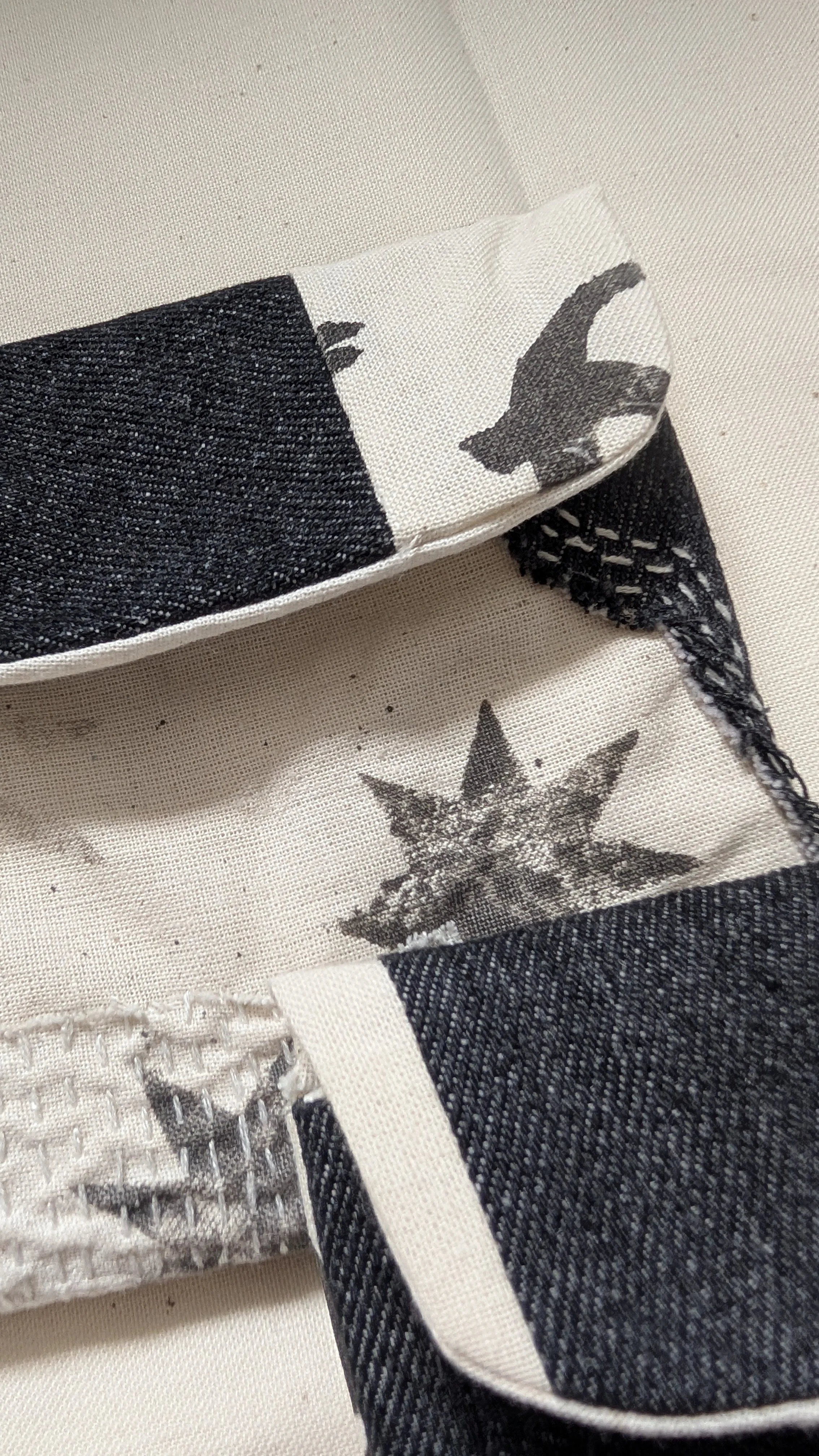
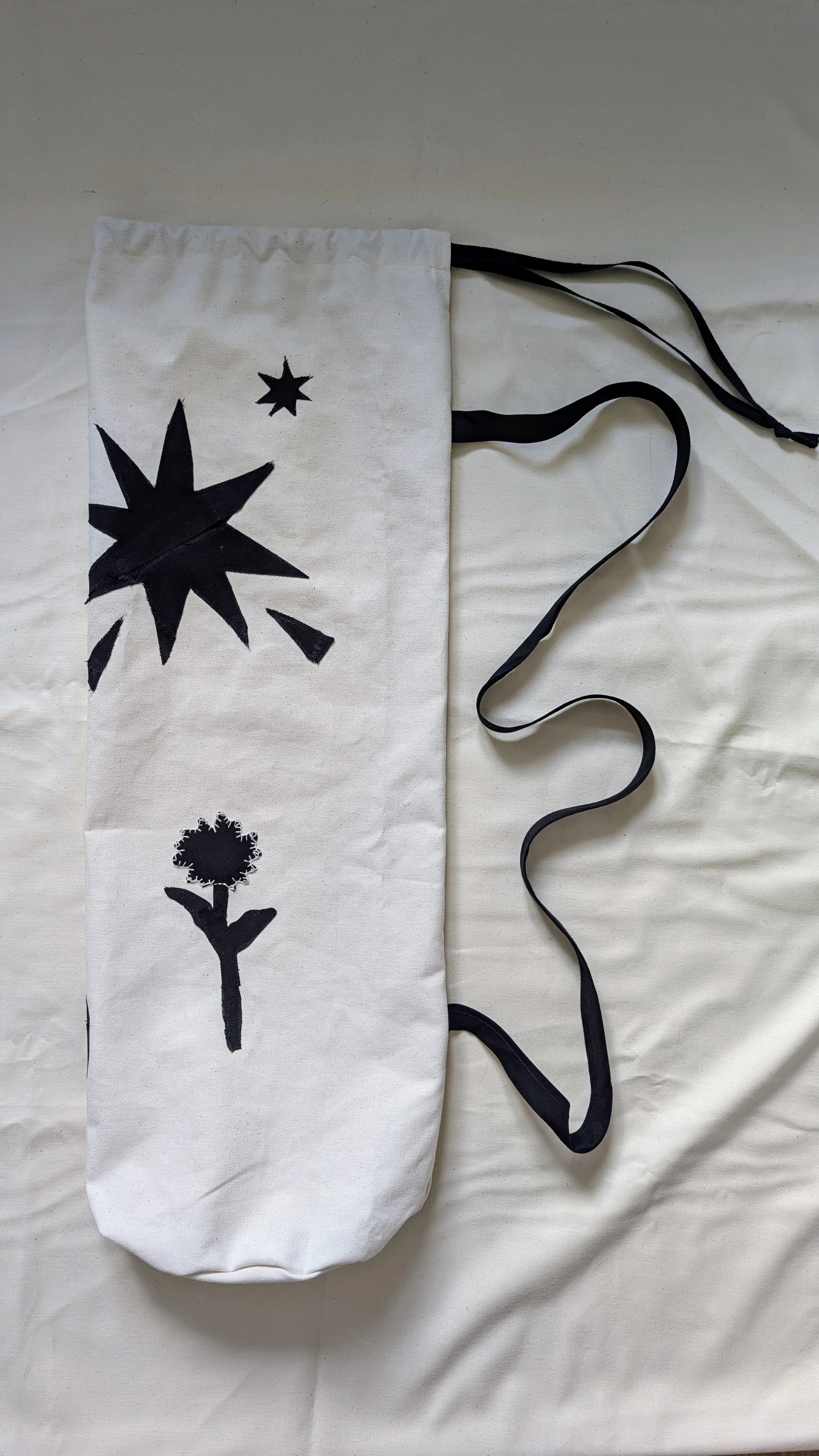
Repurposing fabric off-cuts, or unworn clothes into a yoga bag or pouch reimagines the material into something new but maintains the focus on functional objects that have a lower environmental impact.
My intentions are using textiles that already exist and enjoy the process of making, experimenting, and creating ‘limited edition’ work that means people can be a thoughtfully-made item that is exclusive.
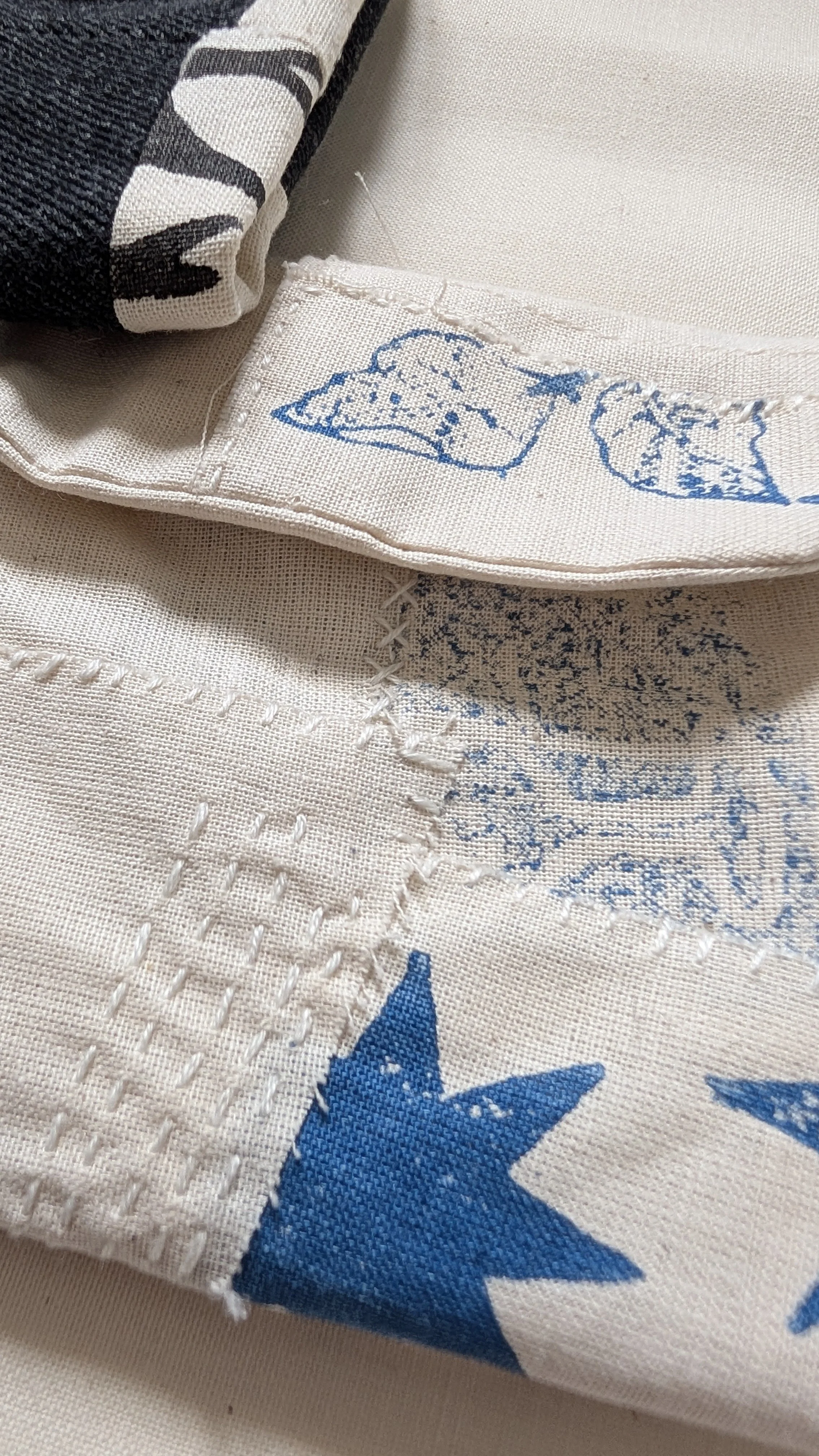
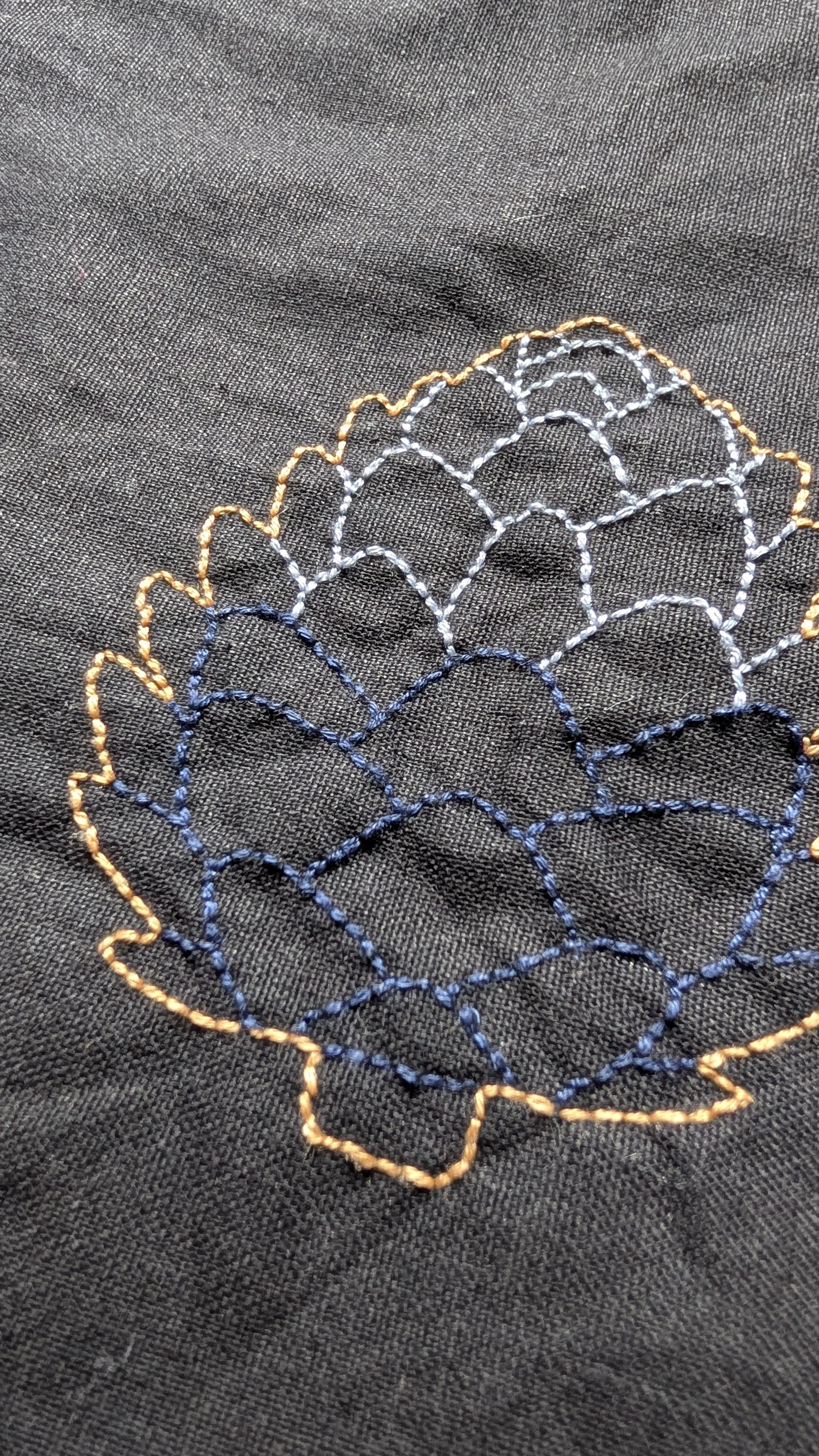
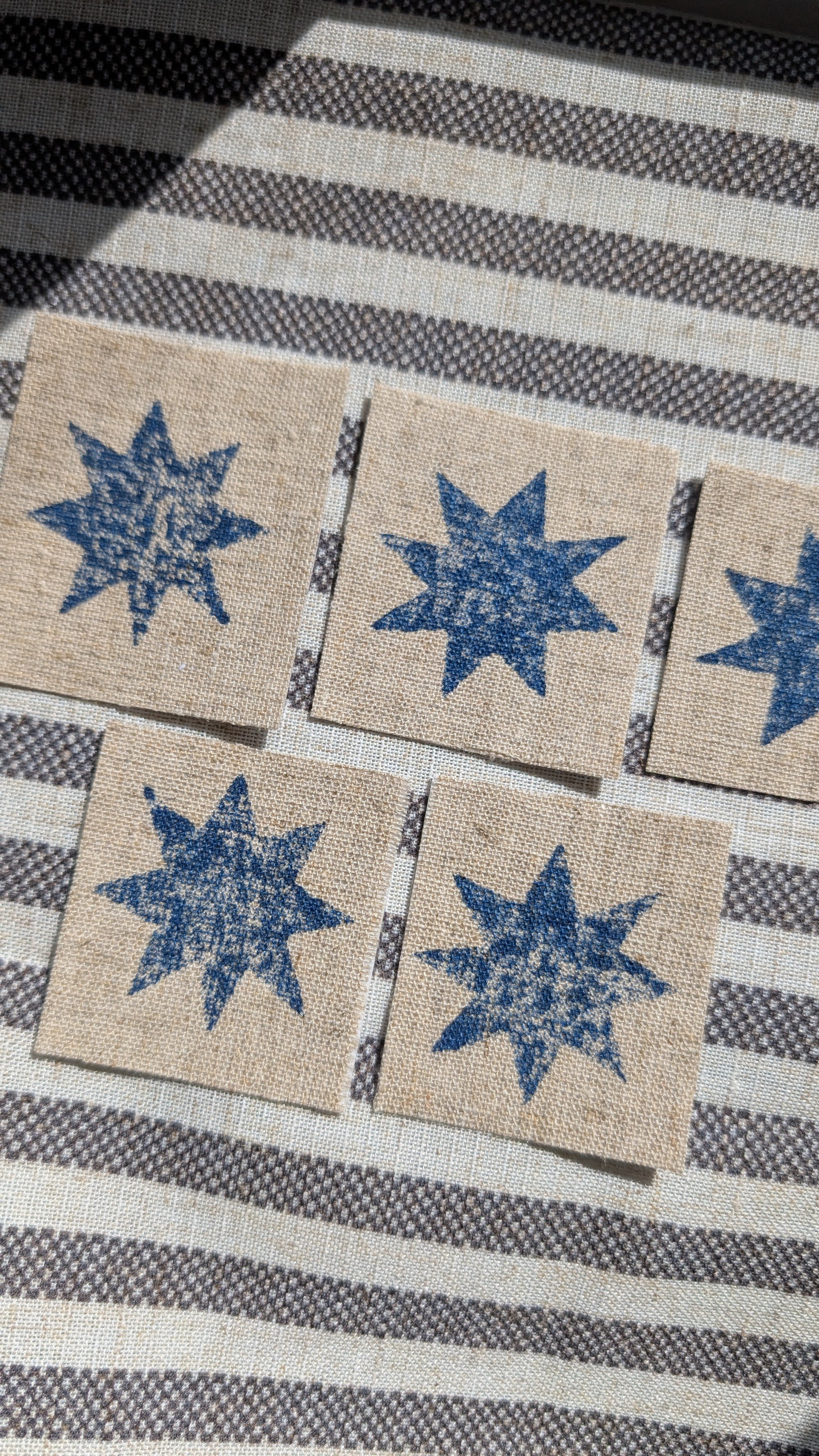
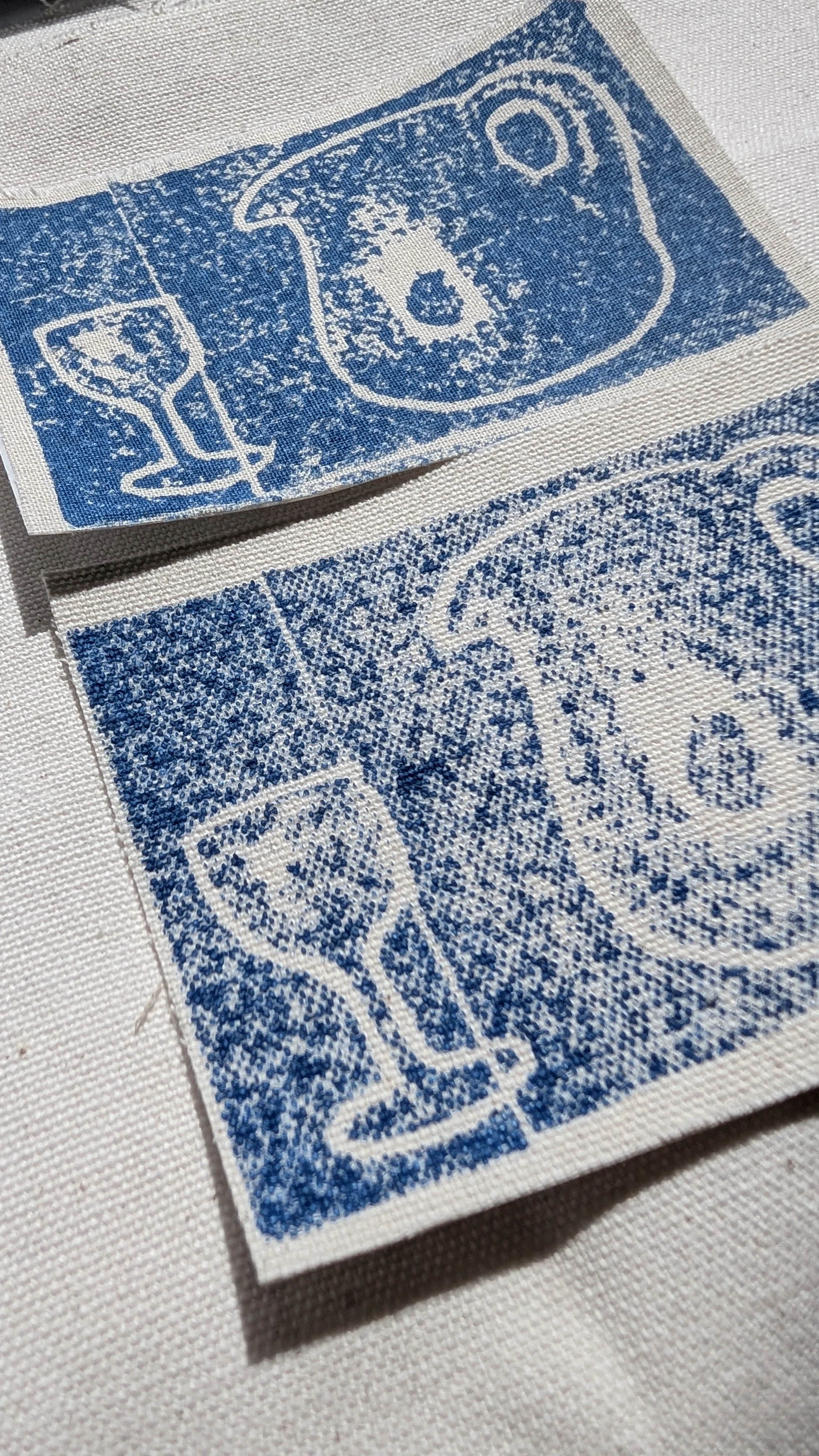
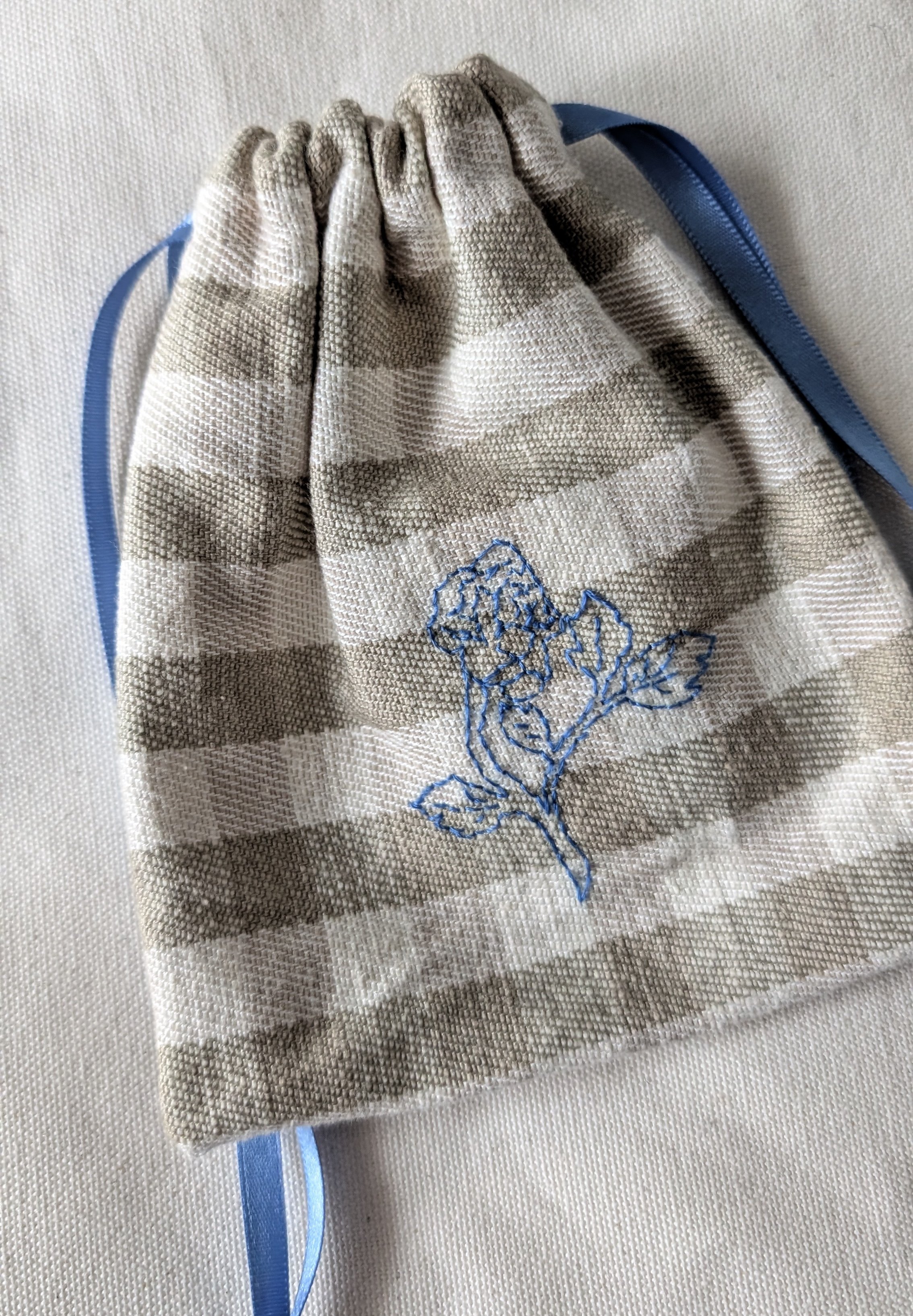
My Seasonal collection uses vintage Georgian/pastoral theme woodblock stamps, on second-hand unbleached cotton/linen fabric off-cuts to become pouches, drawstring bags and fabric stickers. The Circus collection, which takes inspiration from the stonework motifs carved into the Circus architecture in Bath, uses embroidery thread purchased from a craftsperson online who had excess supply and fabric off-cuts found in charity shops. In turn, these collections then produce more scrap fabric which then leads to the creation of products like the patchwork pouch, or the mini fabric stickers, and I keep all cut threads and tiny bits of fibre which can come in handy for future projects.
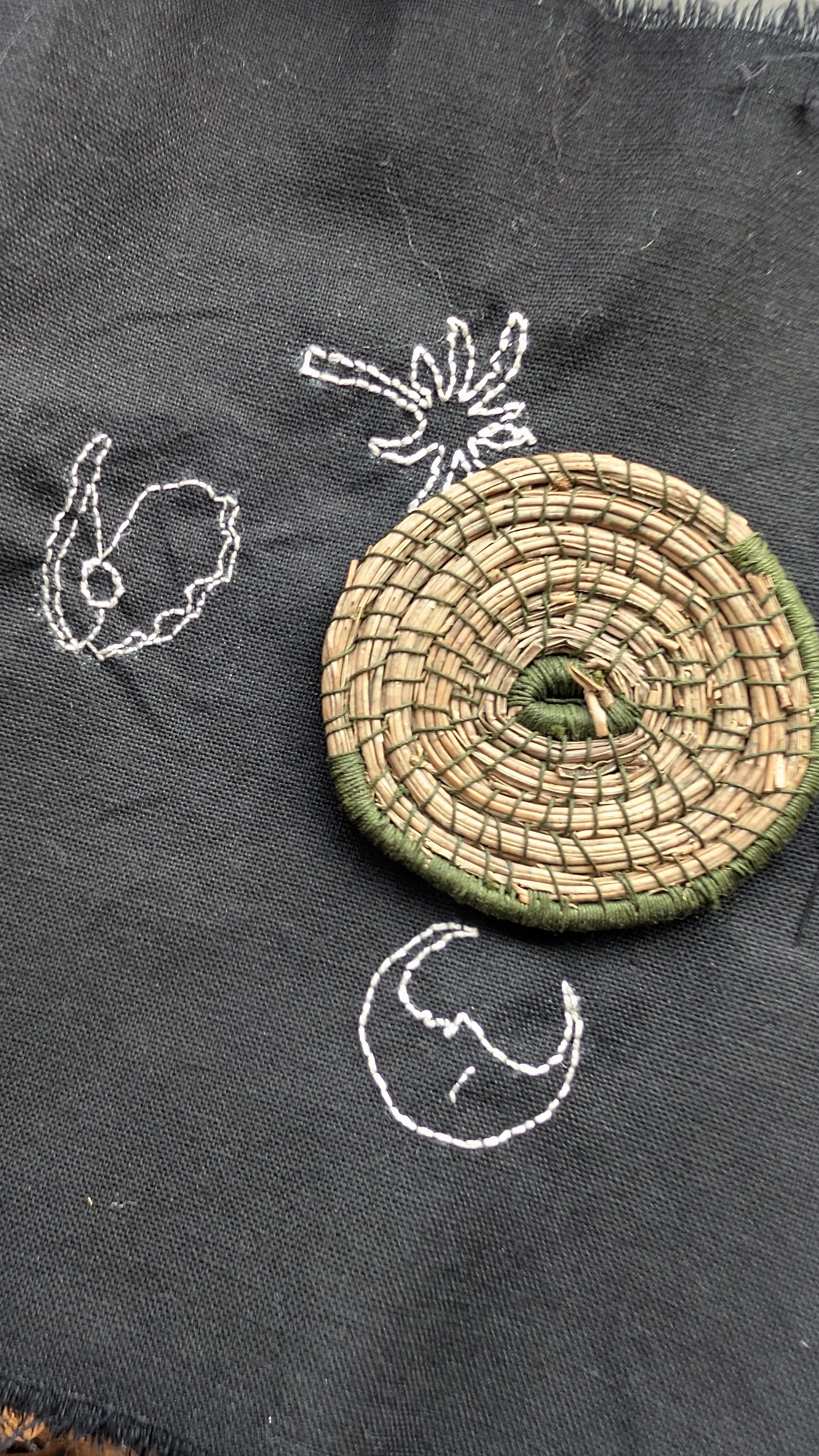
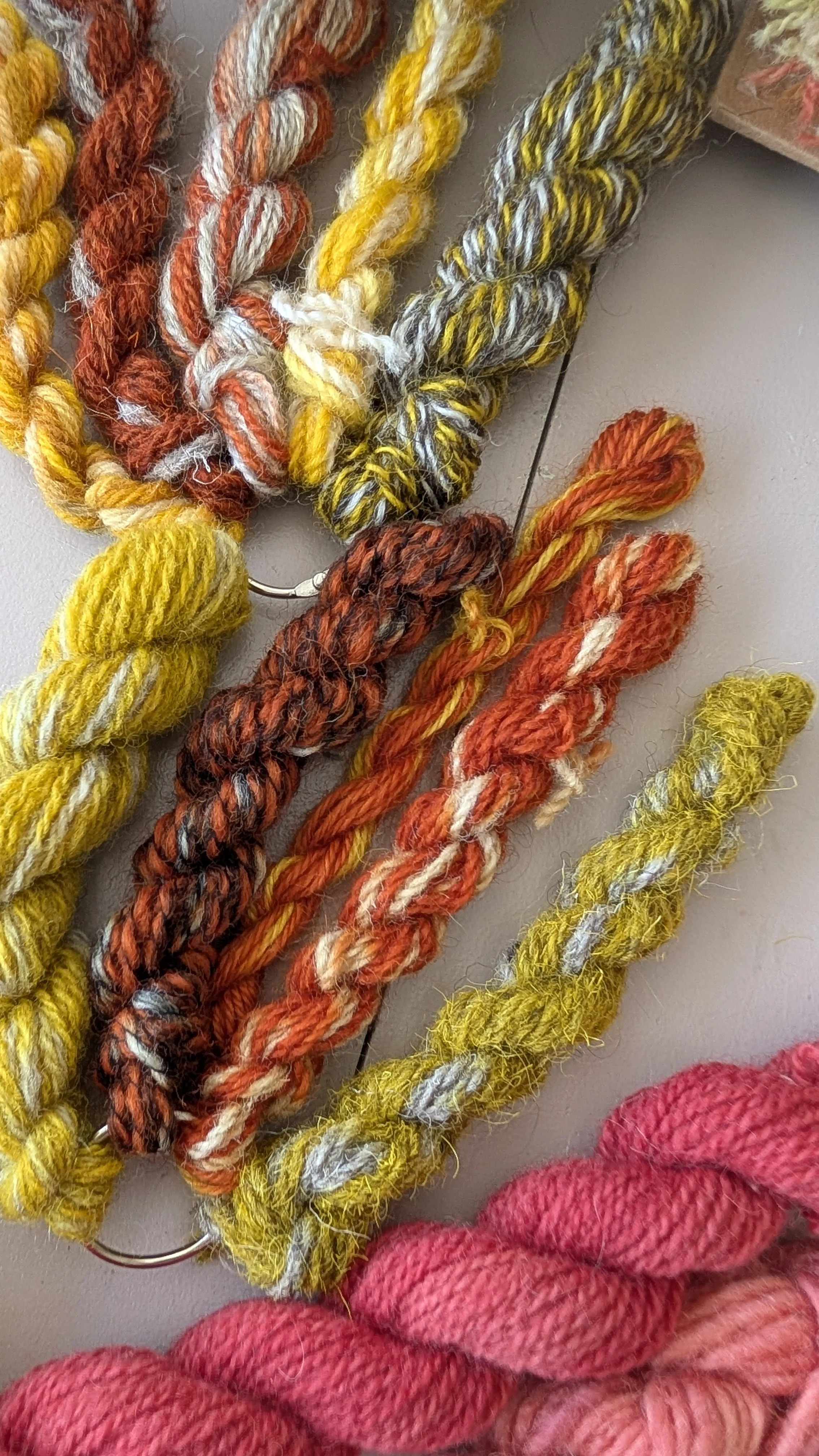
As well as second-hand, I’m finding the use of natural materials an equally inspiring way to produce ideas. Using earth pigments (iron stone, thurlestone, clay, charcoal, indigo), cordage made from daffodil leaves and dandelion stems, natural dyes (avocado skins, weld, coreopsis, madder), sticks as handles for vessels, wool for felting, oak gall and acorns for inks, branches to carve.
These lower environmental impact also tend to cost a lot less than buying new, so while I can price my items to reflect this, it also means I have more room for experimentation and enjoying the process of making thoughtful work.
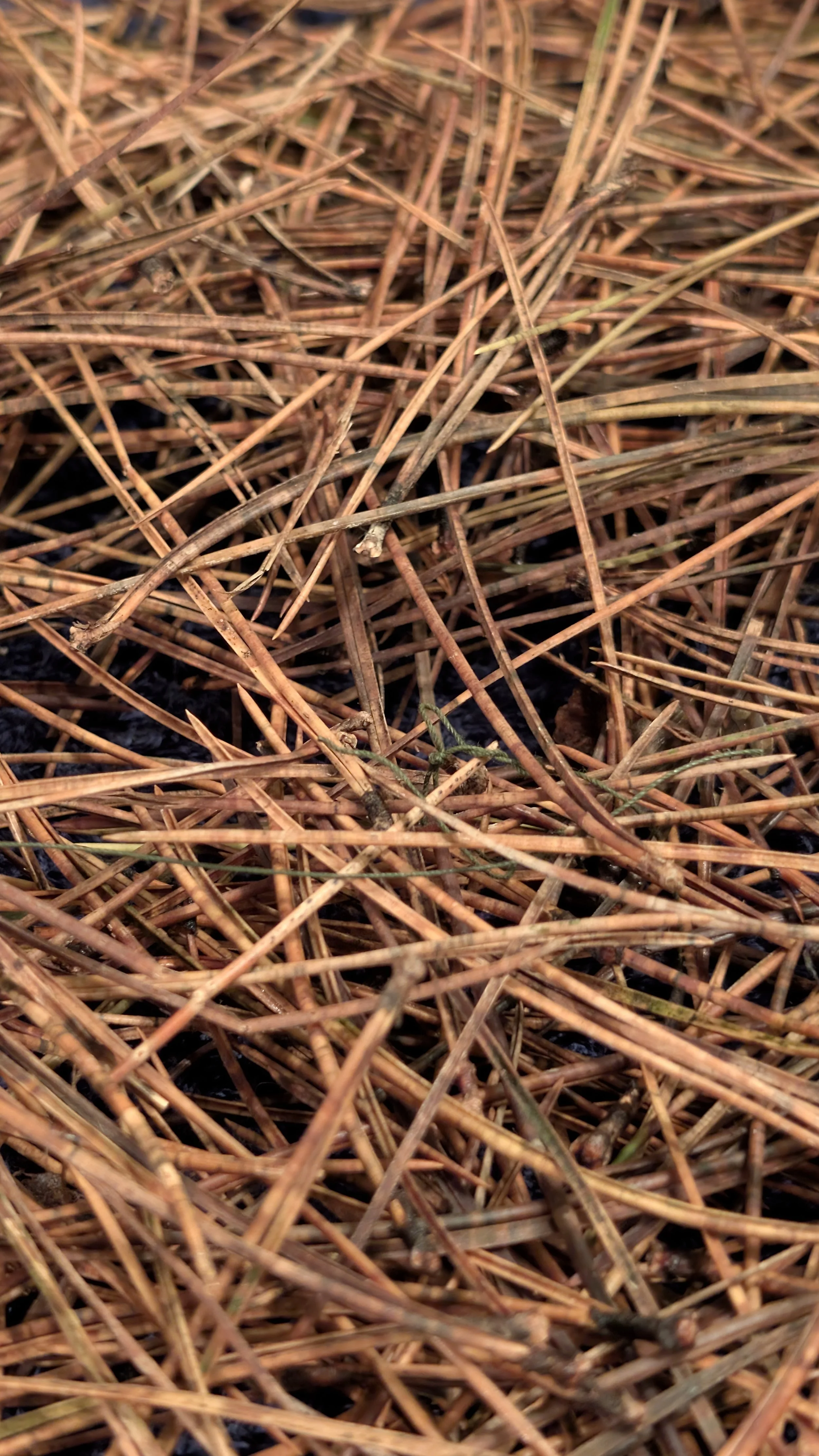
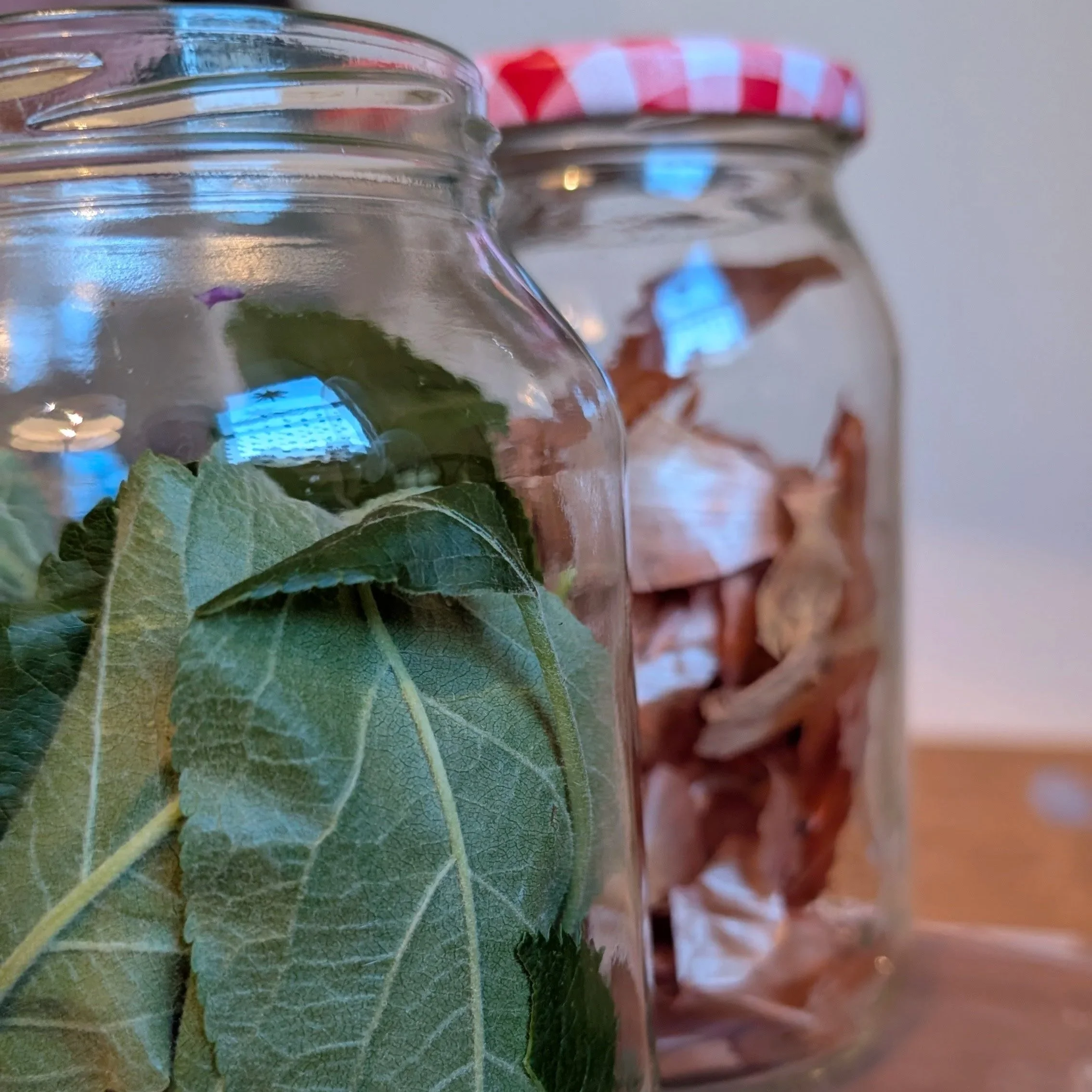
My current project looks towards what grows in my garden, from fruits to foliage, and doing research and experiments with how I can turn some of these into materials and dyes for my next collection. Follow along for updates and behind the scenes @folkel.bath ̤̮